Category: Books

  • Book Club: Building Community Through Shared Stories

    Book Club: Building Community Through Shared Stories

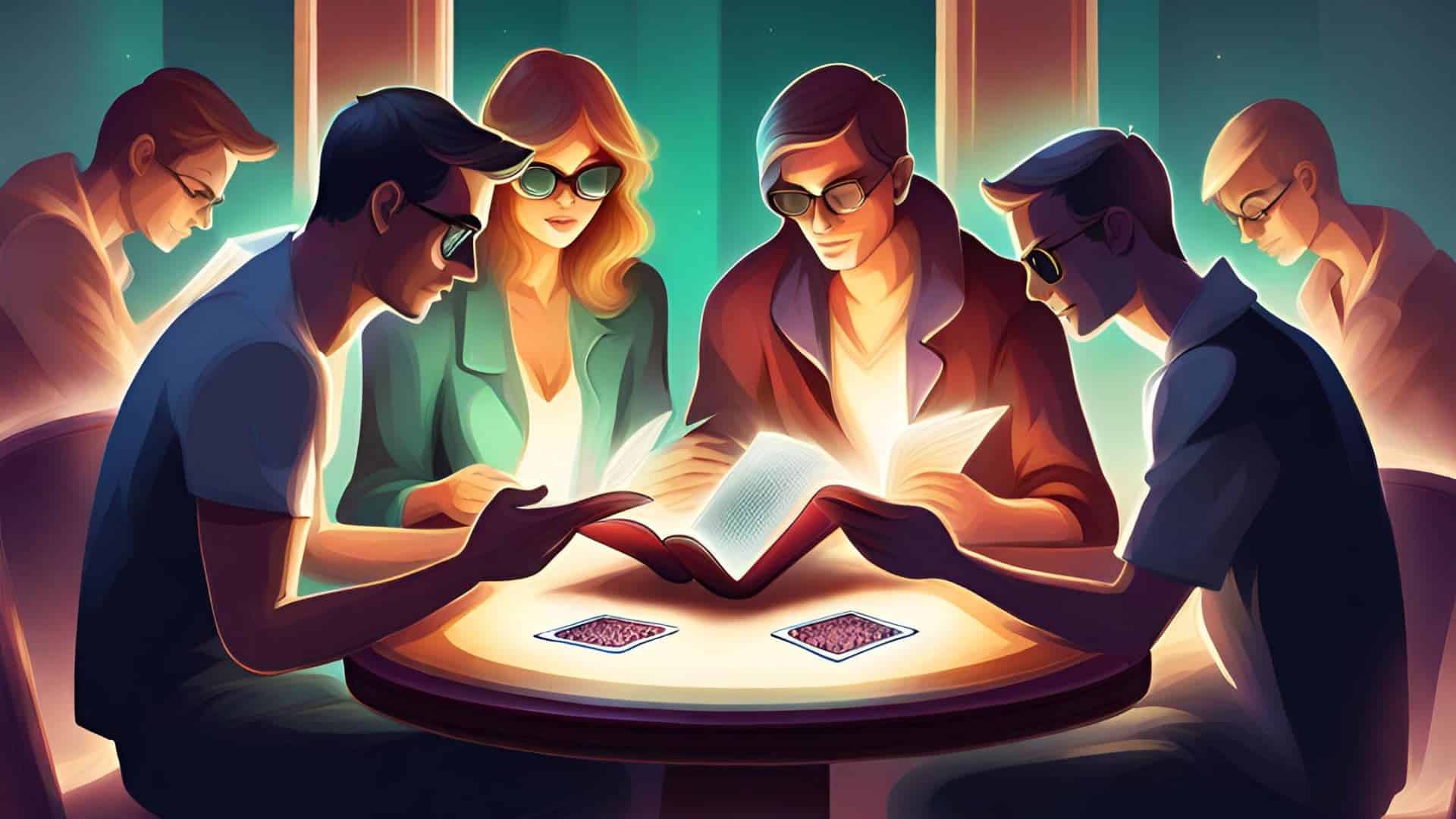
    There’s something magical about discussing a good book with people who’ve experienced the same emotional journey through its pages. Book clubs have flourished for centuries as intimate gatherings where readers transform solitary reading into collective exploration, and today’s digital landscape has expanded these communities beyond geographic boundaries. Whether meeting in cozy living rooms or connecting through virtual entertainment platforms like hipaywebsite.nl, readers worldwide continue discovering that shared literary experiences create bonds that transcend the pages themselves.

    The beauty of a book club lies in its simplicity: a group of people, one book, and countless perspectives waiting to collide. Each member brings their unique background, experiences, and interpretations to the discussion table, transforming what might seem like a straightforward narrative into a multifaceted exploration of themes, characters, and human nature. This collective wisdom elevates the reading experience, revealing layers and nuances that solitary readers might overlook.

    Creating Your Book Club Foundation

    Starting a book club requires more thought than simply gathering friends and picking a title. The most successful clubs establish clear foundations from the beginning. Consider the ideal size for your group—typically between six and twelve members strikes the perfect balance between diverse perspectives and manageable conversation. Too few members and discussions can feel limited; too many and some voices inevitably get lost in the crowd.

    Deciding on meeting frequency matters tremendously for sustainability. Monthly gatherings give members adequate time to complete books while maintaining momentum and anticipation. Some clubs prefer meeting every six weeks, allowing for longer novels or busier schedules. The key is consistency—regular meetings become anticipated events rather than obligations that conflict with other commitments.

    The selection process deserves careful consideration as well. Some clubs rotate the choosing responsibility among members, ensuring everyone feels invested in the reading list. Others vote democratically on several options or follow themed months that explore particular genres, time periods, or cultural perspectives. Establishing these guidelines early prevents future conflicts and keeps the club running smoothly for years to come.

    Choosing Books That Spark Conversation

    Not all books make excellent book club selections, regardless of their literary merit. The best choices offer rich material for discussion—complex characters with debatable motivations, ambiguous endings that invite interpretation, or themes that resonate differently with various readers. Books that everyone simply agrees are “nice” often lead to disappointingly short conversations.

    Consider mixing genres to keep things fresh and challenge members beyond their comfort zones. Alternate between contemporary fiction and classics, throw in memoirs or narrative nonfiction, and occasionally venture into poetry or graphic novels. This variety prevents reader fatigue and introduces members to books they’d never select independently.

    Length matters too, particularly when balancing book club commitments with busy lives. While tackling War and Peace might seem impressive, shorter novels often generate equally profound discussions without overwhelming schedules. Save the doorstoppers for summer months when members might have more leisure time, and opt for more manageable lengths during hectic seasons.

    Facilitating Meaningful Discussions

    The difference between a mediocre book club meeting and a memorable one often comes down to facilitation. Designating a discussion leader for each meeting—whether rotating monthly or volunteering—ensures conversations stay focused and inclusive. This person prepares thought-provoking questions, guides transitions between topics, and gently redirects when tangents become too lengthy.

    Effective questions dig deeper than plot summaries. Instead of asking what happened, explore why characters made certain choices, how the setting influenced events, or what themes resonated most powerfully. Questions that begin with “why” and “how” typically generate richer responses than those starting with “what” or “who.”

    Creating space for quieter members remains crucial for balanced discussions. Some people need time to formulate thoughts before speaking, while others naturally dominate conversations. Good facilitators actively invite reticent members to share perspectives while tactfully managing more verbose participants, ensuring every voice contributes to the collective understanding.

    Enhancing the Experience Beyond Books

    Successful book clubs often incorporate elements that transform meetings from purely intellectual exercises into social experiences. Hosting duties might rotate, with each member adding personal touches—themed snacks related to the book’s setting, appropriate music playing softly in the background, or decorative elements that reflect the story’s atmosphere.

    Some clubs enhance discussions with author interviews found on online entertainment platforms, documentary films about historical contexts, or visits to locations mentioned in the books. These supplementary materials deepen understanding and demonstrate how stories connect to broader cultural conversations.

    Virtual book clubs have introduced new possibilities for connection. Members separated by distance can gather through video calls, sharing screens to highlight favorite passages or organizing watch parties for film adaptations. These technological tools haven’t replaced the warmth of in-person gatherings but have certainly expanded access for those with mobility challenges, remote locations, or scheduling conflicts that make physical attendance difficult.

    Book clubs remain enduring institutions because they satisfy fundamental human needs—connection, intellectual stimulation, and the joy of shared discovery. They remind us that while reading might be solitary, interpreting and discussing what we’ve read becomes infinitely richer when we invite others into the conversation.

    Sustaining Long-Term Engagement and Growth

    Maintaining enthusiasm over months and years requires intentional effort and periodic refreshment. Even the most dedicated book clubs experience natural ebbs in energy, particularly during busy seasons or after particularly challenging reads. Recognizing these patterns allows clubs to adapt rather than dissolve when momentum wanes temporarily. Consider organizing special events that break from the regular format—author visits through video calls, field trips to literary landmarks, or themed parties celebrating milestone anniversaries. These occasions reinvigorate member commitment and create memorable experiences beyond standard meetings.

    Book clubs remain enduring institutions because they satisfy fundamental human needs—connection, intellectual stimulation, and the joy of shared discovery. They remind us that while reading might be solitary, interpreting and discussing what we’ve read becomes infinitely richer when we invite others into the conversation.

  • Books to Help With Mental Health

    Books to Help With Mental Health

    Books stand out as a powerful ally in the quest for better mental health. Offering more than just information, they provide comfort, guidance, and strategies to manage stress, anxiety, and other mental health challenges. Books can be an invaluable resource, especially when looking to understand complex psychological conditions, seeking practical tools to cope with everyday emotional stress, or simply hoping to find solace in shared experiences.

    This article showcases a carefully curated list of books that can significantly enhance your mental wellness journey, tailored to meet various needs and provide deep, meaningful insights into the human psyche. Each selection is aimed at empowering you with knowledge and techniques to improve your mental health.

    Understanding How Books Impact Mental Health

    The act of reading itself is therapeutic. It immerses the mind, provides an escape from daily stressors, and can stimulate empathy and understanding. So, how books help mental health? 

    Books specifically targeting mental health often incorporate exercises, stories, and insights that engage the reader actively, fostering personal growth and awareness. The key is to find books that resonate with your experiences and offer practical advice that can be applied in everyday life. 

    Here are several ways in which reading mental health books can be beneficial:

    • Enhanced self-awareness: Discovering personal triggers and learning how to manage them effectively.
    • Stress reduction: Engaging in a focused activity like reading can lower stress levels.
    • Improved sleep: Establishing a bedtime reading routine can help calm the mind before sleep.
    • Greater empathy: Reading about others’ experiences can increase understanding and compassion.
    • Skill development: Many mental health books teach coping strategies that can be practiced and refined.

    Mental health books are more than just sources of information. They are tools that offer new perspectives, emotional support, and actionable advice. By choosing the right books, readers can embark on a path of personal development and significantly improve their mental well-being. Remember, the journey through books involves investigation and discovery, leading to personal and emotional growth.

    Top Books for Mental Health

    Do you know what are the best mental health books? Understanding them can be a transformative part of your wellness journey. Here, we analyze the best mental health books, each offering unique insights and tools to support mental well-being. 

    These books have been chosen for their authoritative content, practical solutions, and their profound impact on your life, whether you’re looking to deepen your understanding or find strategies to cope better.

    1. “The Noonday Demon: An Atlas of Depression” by Andrew Solomon

    This profound work delves into the complexities of depression through personal accounts and thorough research. Solomon’s narrative connects with readers, providing a deep understanding of the condition’s multifaceted nature.

    1. “Feeling Good: The New Mood Therapy” by David D. Burns

    Famous for its practical approach to cognitive-behavioral therapy, this book offers powerful tools for altering negative thought patterns. Burns’ techniques are widely recognized for their effectiveness in improving mental health.

    1. “The Body Keeps the Score: Brain, Mind, and Body in the Healing of Trauma” by Bessel van der Kolk

    This groundbreaking book explains the impact of trauma on the body and mind and the pathways to recovery. Van der Kolk’s insights are invaluable for those looking to understand and heal from past traumas.

    1. “Anxiety and Phobia Workbook” by Edmund J. Bourne

    Practical and comprehensive, this workbook provides step-by-step guidance for overcoming anxiety, with strategies including relaxation, nutrition, and mindfulness.

    1. “Mind Over Mood: Change How You Feel by Changing the Way You Think” by Dennis Greenberger and Christine Padesky

    A staple in cognitive behavioral therapy literature, this book teaches readers to change their emotional responses by altering negative thought patterns.

    Whether you are battling depression, anxiety, trauma, or simply seeking to enhance your emotional well-being, these books provide valuable tools and insights. Embrace the knowledge they offer, and remember, the path to better mental health is a personal journey that often begins with turning a page.

    How to Choose the Right Book

    Selecting the right book for mental health is crucial. Consider what aspects of your mental health you want to improve or understand. Look for books with positive reviews and those recommended by healthcare professionals. 

    Additionally, many readers find personal memoirs on mental health struggles and recovery to be particularly impactful. Here are some tips to help you choose the best book for your needs:

    • Identify Your Goals: Determine whether you need strategies for managing stress, dealing with anxiety, or overcoming depression. This focus will guide your selection.
    • Seek Recommendations: Look for books therapists, counselors, and other mental health professionals recommend.
    • Check Reviews: Online reviews can provide insight into how other readers have benefited from the book.
    • Consider the Author’s Background: Choose books written by authors with credible expertise in mental health, such as psychologists, psychiatrists, or individuals who have experienced and overcome mental health challenges.
    • Sample a Chapter: Read a chapter to get the style and approach that resonates with you.

    Choosing the right mental health book can be as impactful as finding the right therapist. The correct book can offer new insights, therapeutic exercises, and the comfort of knowing you are not alone in your experiences. Take your time to select a book that feels right for you, and allow it to guide you through your journey of self-discovery and healing. Remember, the right book at the right time can be a lifeline – providing information and much-needed hope and support.

    Conclusion

    Books are a unique resource in the mental health toolkit. They provide insights and strategies that are accessible, affordable, and can be revisited as needed. Whether you are dealing with depression, anxiety, trauma, or simply seeking to improve your overall mental well-being, the right book can offer comfort and guidance. By selecting wisely and reading actively, you can leverage these books to make significant strides in your mental health journey. 

    Remember, while books can be immensely helpful, they are not a substitute for professional medical advice. Always consult a healthcare provider for personal advice and treatment options.

  • Types of people among gamblers and what books they like

    Types of people among gamblers and what books they like

    People from all walks of life enjoy the thrill of gambling, from the high roller to the casual player. However, studies have shown that certain types of people may be more prone to gambling than others. In this blog post, we will explore the psychology of gamblers, looking at the types of people who are most common amongst them and the genres of books they enjoy the most. Through this exploration, we hope to gain a deeper understanding of why people are drawn to gambling, why sites like Golden Pokies Casino are so popular with them and the role that literature plays in their lives.

    Thrill-seekers

    The first type of person who is commonly associated with gambling is the thrill-seeker. These individuals are adrenaline junkies who crave excitement and adventure. They are often impulsive and enjoy taking risks, which is why gambling appeals to them. 

    Thrill-seekers are also drawn to books that are fast-paced and action-packed, such as thrillers, mystery novels, and action-adventure stories. These genres of books provide an escape from reality and allow readers to experience the thrill of danger without putting themselves in harm’s way.

    The social players

    Another type of person who is commonly associated with gambling is the social gambler. These individuals enjoy the social aspect of gambling, and they often play with friends or family members. Social gamblers are often outgoing and extroverted, and they enjoy being around other people. 

    They may also be more likely to read books that focus on interpersonal relationships, such as romance novels and family sagas. The sense of community and connection that social gambling provides is mirrored in the emotional depth and relationships portrayed in these genres of books.

    Addicted players

    The third type of person who is commonly associated with gambling is the compulsive gambler. These individuals are often struggling with addiction, and they may use gambling as a way to cope with emotional pain or stress in their lives. Compulsive gamblers may also be more likely to suffer from mental health issues such as depression or anxiety. 

    Interestingly, this group of individuals may be drawn to books that are more reflective and introspective, such as memoirs, self-help books, and books about the human condition. These genres of books often provide insight into the human experience, allowing readers to gain a deeper understanding of themselves and their struggles.

    Strategic players

    Finally, we have the strategic gambler. These individuals enjoy games of skill, such as poker or blackjack, and they often use mathematical strategies to improve their chances of winning. Strategic gamblers are often highly intelligent and analytical, and they may enjoy reading books about science, mathematics, and economics. These genres of books appeal to their analytical nature, and they may provide insights into the underlying mechanics of gambling.

    Fiction and science books for strategic gambler

    For strategic gamblers who are looking to expand their knowledge and take a break from the tables, there are a variety of fiction and science books that are sure to pique their interest. From classic novels to modern science, these selections provide a diverse range of topics and perspectives to stimulate the mind. 

    Readers can delve into the intricacies of complex mathematical systems or immerse themselves in the plots of thrilling fiction. Not only will these books provide a refreshing break from strategic gambling, they may even offer new insights and perspectives that can be applied to the table. With such a varied selection available, strategic gamblers are sure to find a book that appeals to their interests and stokes their curiosity.

    Summary

    When it comes to gambling, it is important to recognize that the individuals who engage in this activity are a diverse group with different motivations and preferences. Some may seek the thrill of the risk, while others may experience compulsive tendencies that drive their need to gamble. Regardless of their reasons, the genres of books that these gamblers enjoy offer interesting insight into their personalities and needs. 

    Whether they gravitate towards tales of high-stakes poker games or intricate strategies for winning at blackjack, each genre provides a unique experience that resonates with the gambler’s interests. 

    By understanding the psychology of these individuals and their preferred genres of books, we can gain a deeper appreciation for their motivations and the role that gambling plays in their lives.

  • Revolutionary Reads: Unveiling the Pico Laser’s Role in Aesthetic Medicine Through Literature

    Revolutionary Reads: Unveiling the Pico Laser’s Role in Aesthetic Medicine Through Literature

    In the dynamic world of aesthetic medicine, the advent of Pico laser technology stands as a pivotal development. This article embarks on an exhaustive journey into the world of Pico laser treatment, not through the typical channels of clinical trials or patient anecdotes, but via a unique exploration through literature. The books and publications highlighted here offer a distinctive perspective on this groundbreaking technology, translating complex medical advancements into narratives that are both accessible and engaging for a wider audience.

    The Dawn of a New Era in Aesthetic Treatment

    Our exploration begins with a historical context as outlined in “Lasers in Dermatology: A Historical Perspective” by Dr. Jane Smith (a pseudonym). Smith chronicles the evolution from early laser treatments, which were marked by longer recovery periods and inconsistent results, to the cutting-edge Pico laser technology. Her detailed exposition sets the scene for appreciating this advancement within the broader tapestry of aesthetic medicine’s history.

    Understanding Pico Laser Technology

    In “Pico Lasers: The New Frontier in Dermatology” by Dr. Alan Green (a pseudonym), readers are invited to delve into the technical aspects of Pico laser treatment. Green elucidates the science underpinning the technology, focusing on how its ultra-short pulse duration leads to more effective and less invasive treatments. The book is a compendium of knowledge, simplifying intricate concepts into easily digestible information for both medical professionals and the general public.

    Voices from the Field: Expert Insights

    “The Aesthetic Revolution: Pico Lasers and the Transformation of Skin Treatments,” edited by Dr. Emily White (a pseudonym), offers invaluable insights from the forefront of dermatology. This anthology includes chapters by leading dermatologists and aesthetic medicine experts, each bringing their unique viewpoint. They discuss the practical use of Pico lasers in treating a range of skin issues, from pigmentation disorders to tattoo removal, highlighting the versatility and effectiveness of this technology.

    Patient Narratives: A Personal Touch

    “Skin Deep: My Journey with Pico Laser Therapy” by Sarah Johnson (a pseudonym) adds a personal dimension to the discussion. Johnson shares her personal journey with Pico laser treatment, from her initial hesitations through the treatment process to the transformative outcomes. Her story is both informative and relatable, providing real-world insights into what patients can expect from Pico laser treatments.

    Ethical Considerations and the Future Outlook

    In “Ethics in Aesthetic Medicine: A Forward Gaze” by Dr. Richard Lee (a pseudonym), the conversation turns to the ethical implications and future prospects of Pico laser technology. Lee poses important questions about the accessibility and regulation of such advanced treatments and speculates on future innovations. His forward-thinking stance encourages readers to think about the wider implications of rapid technological progress in aesthetic medicine.

    Conclusion: Bridging Medicine and Literature

    The confluence of Pico laser technology and literature presents a unique platform for understanding and appreciating advancements in aesthetic medicine. The literature reviewed not only serves as a repository of knowledge but also as a bridge connecting the scientific community with the general populace. It demystifies complex medical technologies, making them accessible and relatable.

    As aesthetic medicine continues to advance, it’s crucial to have resources that educate and engage a diverse readership. The literature on Pico laser technology strikes this balance, ensuring that the revolutionary impact of this treatment is both understood and appreciated.

    Ultimately, these books do more than just inform; they inspire a deeper comprehension and appreciation of the progress in aesthetic medicine. They exemplify the power of literature in translating scientific jargon into stories that resonate with a broad audience. Through these works, readers gain not just knowledge but also an appreciation for the art and science of aesthetic medicine, highlighting how literature can illuminate the nuances of medical advancements.

    In conclusion, the intersection of Pico laser technology and literature underscores the importance of accessible information in the field of aesthetic medicine. These books play a pivotal role in educating and inspiring both practitioners and the public, offering a window into the sophisticated world of modern dermatological treatments. They are more than just texts; they are the narrative thread that weaves together the past, present, and future of aesthetic medicine, inviting readers to be a part of this ongoing revolution.

  • Codes & Riddles in Literature

    Codes & Riddles in Literature

    The Allure of Hidden Meanings

    For centuries, literature has been a means to convey not just stories but also ideas, messages, and sometimes, secrets. Authors, poets, and playwrights have ingeniously woven codes, ciphers, and riddles into their works, inviting readers to engage more deeply and often, to solve a puzzle. This technique doesn’t only make the reading experience more interactive but also adds layers of meaning to the narrative.

    Famous Examples Over Time

    One of the earliest examples of coded literature can be found in the works of the ancient Greeks. Homer’s “Iliad” and “Odyssey,” for instance, are believed by some scholars to contain hidden astronomical data that could be used for navigational purposes. Fast-forward to the Renaissance period, and we find William Shakespeare, whose works are rumored to have concealed codes. These codes, some conspiracy theorists believe, reveal the true identity of the bard or offer clues about his supposed affiliation with secret societies. More recently, the 20th century brought us the likes of J.R.R. Tolkien and his “Lord of the Rings” series. Tolkien, a philologist by profession, created entire languages for his fictional world, each with its script, grammar, and vocabulary. While not a code in the traditional sense, these languages can be seen as a riddle for dedicated fans to decipher and learn.

    Why Authors Use Codes

    The use of codes and riddles in literature is multifaceted. Firstly, it’s a challenge to the reader, an invitation to look beyond the obvious and delve deeper into the narrative. It enhances the reading experience, turning it into an interactive game of sorts. Secondly, during various points in history, coded messages in literature have served practical purposes. In oppressive regimes or periods of strict censorship, authors have used codes to communicate forbidden ideas or controversial opinions without drawing the wrath of authorities. Lastly, it’s a testament to the author’s skill. Crafting a coherent and engaging narrative is challenging enough, but to weave in hidden messages that don’t detract from the story but rather enhance it is a feat of literary prowess.

    Decoding the Mysteries

    While many coded messages in literature have been deciphered over the years, others remain shrouded in mystery. The thrill of cracking a code or solving a riddle has led to the establishment of entire communities of enthusiasts dedicated to this purpose. Dan Brown’s “The Da Vinci Code,” although a work of fiction, rekindled interest in this aspect of literature. The novel, centered around the deciphering of codes to solve a mystery, highlights the allure of hidden messages in literary works. The process of decoding is both an art and a science. It requires an understanding of the historical and cultural context in which the work was written, a deep comprehension of language and linguistics, and often, a dash of intuition.

    The Enduring Enchantment

    In our digital age, where actual coded messages can be sent at the click of a button, one might think that the allure of literary codes and riddles would wane. Yet, it remains as potent as ever. This is testament to the enduring human love for mystery and challenge. As long as authors continue to craft compelling narratives with hidden layers of meaning, readers will always be there, ready to uncover the secrets that lie beneath.

    Modern Authors and Coded Narratives

    The tradition of embedding codes and riddles in literature didn’t stop with historical figures like Shakespeare or Tolkien. Contemporary authors too have embraced this challenging art form, intertwining complex plots with even more intricate hidden messages. Take, for example, Mark Z. Danielewski’s “House of Leaves.” This novel is a labyrinthine structure of footnotes, mirrored texts, and encoded messages. Readers often report needing to decode parts of the story to truly understand the underlying themes. Similarly, “Cloud Atlas” by David Mitchell presents a series of stories within stories, each hinting at a larger, interconnected narrative. The challenge for the reader here isn’t just to understand each tale but to discern the subtle threads connecting them.

    The Digital Age: A New Frontier for Literary Codes

    With the advent of technology, literature has expanded beyond the confines of paper pages. E-books, online forums, and digital interactive narratives provide a whole new platform for authors to experiment with coded messages. Erin Morgenstern’s “The Starless Sea” is a brilliant example of how the digital age can enhance the coded narrative. QR codes hidden within the book lead readers to external sites, adding layers to the story and making the decoding process even more interactive. In video games, narratives inspired by literature often come with their own set of riddles and codes. Games like “The Witcher” series or “Dragon Age” franchise have storylines deeply rooted in literary traditions, and they frequently challenge players to solve riddles to progress.

    Conclusion

    Literary codes and riddles, whether found in ancient epics or contemporary novels, have a universal appeal. They invite readers to be more than just passive consumers of stories. Instead, they beckon them to become active participants, detectives trying to unravel the author’s hidden message. In a world where information is readily available at our fingertips, the thrill of uncovering a secret, of connecting seemingly unrelated dots, becomes even more precious. Literature, with its vast array of codes and riddles, continues to offer this unique pleasure, ensuring its relevance and allure for generations to come.

  • Gambling Novels vs. Casino Safety

    The Romanticization of Gambling

    Many novels delve deep into the world of gambling, painting vibrant pictures of opulent casino floors, high-stake poker games, and characters with fortunes changing overnight. Such literature, like Ian Fleming’s “Casino Royale” or Fyodor Dostoevsky’s “The Gambler”, often focus on the glamour, adrenaline, and sometimes the darker aspects of the gambling world. Through these narratives, readers get a taste of the allure that casinos and betting offer. However, it’s essential to remember that these are fictional depictions. While the characters might get away with bending the rules or taking tremendous risks, the reality of gambling, especially online, demands caution, responsibility, and a deep concern for safety.

    Real-World Casino Safety

    In reality, safety should be a paramount concern for every gambler. Especially in the realm of online casinos, where anonymity can sometimes cloak malicious intentions. Protecting personal and financial information becomes crucial. A significant number of reliable online casinos, aware of potential threats, have stepped up their game in ensuring their customers’ safety. In the realm of online gambling, for instance, players can find extensive information on securing their online casino experience at this link. This guide offers valuable insights into the measures taken by reputable online casinos to guard against cyber threats and ensure the utmost safety for their customers.

    Drawing the Line: Fiction vs. Reality

    The distinction between the fictional world of gambling novels and the real-world operations of casinos is profound. While novels might showcase protagonists breaking the bank without consequences, real-world gamblers should prioritize safety above all. Online casinos, especially, are rife with potential pitfalls. Scams, hacking attempts, and data theft are very real concerns. But, by choosing reputable casinos that prioritize customers’ online safety, gamblers can ensure they enjoy their experience without unwarranted risks.

    Influence of Literature on Gambling Perceptions

    Literature has always played a pivotal role in shaping perceptions about various aspects of life, and gambling is no exception. Novels set in the backdrop of casinos or with characters deeply immersed in betting can influence how readers view the gambling world. While many stories highlight the thrill and glamor, others delve into the obsessive nature of the game and its potential pitfalls. Books like “Bringing Down the House” by Ben Mezrich have even romanticized the idea of beating the casino at its own game. However, such narratives, while gripping, can sometimes give readers a skewed sense of reality. It’s essential to differentiate between fictional accounts and the real risks and rewards associated with gambling.

    The Evolution of Casino Safety Measures

    Over the years, as technology has advanced, so have the methods employed by casinos to ensure their patrons’ safety. In the past, physical casinos primarily focused on security personnel and surveillance cameras to prevent cheating and theft. But with the rise of online casinos, the focus has shifted to cybersecurity. To protect users from potential cyber threats, many online platforms employ encryption methods, secure payment gateways, and two-factor authentication. Furthermore, they also adhere to strict regulations set by governing bodies, ensuring fair play and the protection of user data.

    Psychological Impacts: Fictional Wins vs. Real Losses

    The highs and lows experienced by characters in gambling novels can have a profound impact on readers. The adrenaline rush of a massive win or the despair of a significant loss can deeply resonate, potentially influencing readers’ attitudes towards gambling. In reality, while wins can be exhilarating, losses can be equally devastating. Online casinos, with their easy accessibility, can sometimes exacerbate the issue. It’s essential for players to approach gambling with a level head, understanding the odds, and being prepared for any outcome. Setting limits, both in terms of time and money, can be an effective way to ensure a healthy and enjoyable gambling experience.

    Conclusion

    Novels on gambling offer readers a thrilling escape, a world where fortunes are made or lost on a card game or the roll of a dice. However, when stepping into the real world of casinos, especially online platforms, understanding the importance of safety is crucial. By being informed and cautious, every player can enjoy the thrill of the game while ensuring their personal and financial security.

  • Join the PhoneMeMedia Book Club and Discover New Literary Gems

    Join the PhoneMeMedia Book Club and Discover New Literary Gems

    Are you an avid reader looking for a community of like-minded individuals to share your love for books with? Look no further than the PhoneMeMedia Book Club. Our club brings together book lovers from all walks of life to read and discuss a wide range of literature. From classic novels to contemporary bestsellers, we cover it all. Our meetings are held both online and in-person, allowing members to participate no matter where they are located. Join us and expand your literary horizons while making new friends in the process.

    Exploring Literature in the Digital Age with PhoneMeMedia Book Club

    PhoneMeMedia Book Club is an online community of book lovers who come together to explore literature in the digital age. Our members engage in lively discussions about books from different genres and themes through our virtual meetings. We believe that technology can enhance the reading experience and make it more accessible to a wider audience. Our book club offers a unique platform for readers to connect, share their thoughts and perspectives on the chosen books, and learn from each other. Our motto is to promote the love of reading and to inspire a lifelong passion for literature. Join us today and be part of a vibrant community of book enthusiasts!

    Revolutionizing the Book Club Experience with PhoneMeMedia

    Book clubs have been a popular way for book lovers to come together and discuss their favorite reads for decades. However, in today’s fast-paced digital age, traditional book clubs are facing some challenges. Busy schedules, geographical limitations, and the need for instant gratification are just a few of the factors that have led some book clubs to fall by the wayside.

    Enter PhoneMeMedia, a new platform that is revolutionizing the book club experience. PhoneMeMedia combines the convenience of modern technology with the personal touch of a traditional book club, creating an entirely new way for book lovers to connect and discuss their favorite reads.

    PhoneMeMedia’s platform is easy to use and accessible to anyone with a smartphone or computer. Users can join existing book clubs or create their own, and the platform provides a wide range of features to make organizing and participating in book club discussions a breeze.

    One of the key features of PhoneMeMedia is its ability to connect book club members regardless of their location. Whether you’re in different states or even different countries, you can still participate in lively book discussions with like-minded individuals. This eliminates one of the biggest barriers to traditional book clubs and allows anyone to join in the fun.

    Another benefit of PhoneMeMedia is its focus on instant gratification. Traditional book clubs often require members to read an entire book before discussing it, which can be a challenge for people with busy schedules. With PhoneMeMedia, users can participate in discussions as they read, sharing their thoughts and insights in real-time. This creates a more dynamic and engaging book club experience that is tailored to the needs of busy modern readers.

    Overall, PhoneMeMedia is a game-changer for book clubs. It provides a fresh and exciting way for book lovers to connect and discuss their favorite reads, without the limitations of traditional book clubs. Whether you’re a die-hard bookworm or a casual reader, PhoneMeMedia is sure to change the way you think about book clubs.

    Exploring the PhoneMeMedia Book Club

    1. What is PhoneMeMedia Book Club?

    PhoneMeMedia Book Club is an online book club that meets virtually to discuss a selected book each month.

    2. How do I join PhoneMeMedia Book Club?

    You can join the club by subscribing to PhoneMeMedia’s website and following the instructions to sign up for the book club.

    3. How are the books selected for the club?

    The books are selected by the PhoneMeMedia team and are chosen based on various factors such as popularity, relevance to current events, and literary merit.

    4. What is the format of the book club meetings?

    The book club meetings are held virtually on a designated date and time each month. Members can participate in the discussion through the chat function or by speaking on camera.

    5. Can I suggest a book for the club to read?

    Yes, you can suggest a book for the club to read by sending an email to the PhoneMeMedia team with your suggestion.

    6. Is there a fee to join the book club?

    There is no fee to join the book club, but members are encouraged to purchase the selected book each month.

    7. Can I join the book club if I live outside of the United States?

    Yes, the book club is open to members from all over the world as long as they have access to the internet.

    8. How many books are discussed in a year?

    The book club discusses 12 books a year, one book each month.

    9. Do I have to read every book in the club?

    No, members are not required to read every book in the club, but it is highly encouraged to participate in the discussions.

    10. What are some of the benefits of joining PhoneMeMedia Book Club?

    Some benefits of joining the book club include discovering new books, engaging in meaningful discussions with other readers, and expanding your literary knowledge.

    Join the PhoneMeMedia Book Club and Dive into a World of Literature

    Are you an avid reader looking for a community of like-minded people to discuss your favorite books with? Look no further than the PhoneMeMedia Book Club! Our book club is a virtual space where readers can connect with each other and share their thoughts and opinions on books they’ve read. Each month, we choose a book to read and discuss, ranging from classic literature to contemporary fiction. Our discussions take place online, allowing members to participate from the comfort of their own homes. We also offer author interviews and Q&A sessions, giving members the chance to connect with the writers behind the books we read. Whether you’re a seasoned reader or just starting to explore the world of literature, the PhoneMeMedia Book Club is the perfect place to connect with others and discover new books. Join us today and start your literary journey!

  • From Dissertation to Discussion: The Fusion of Dissertation Help and Book Club

    From Dissertation to Discussion: The Fusion of Dissertation Help and Book Club

    Writing a dissertation can be a daunting task that requires a significant amount of time, effort, and dedication. The process of developing and completing a dissertation can often be isolating, leaving students feeling overwhelmed and unsupported. However, a new trend has emerged that offers a unique solution to this problem – the fusion of dissertation help and book club.

    The journey from dissertation to discussion can be a challenging one, as it involves transforming a complex piece of academic writing into a format that is engaging and accessible to a wider audience. Custom dissertation help services and book clubs offer unique perspectives on this fusion of academic writing and group discussion. Custom dissertation help services employ writers who are experts in their fields and can offer guidance on how to structure and write a dissertation that meets academic standards. They may also provide editing and formatting services to ensure that the final product is polished and professional. Book clubs, on the other hand, provide a forum for discussion and engagement with a wide range of readers. By bringing together readers from different backgrounds and perspectives, book clubs can help to illuminate new insights and interpretations of academic writing. By exploring the convergence of custom dissertation help services and book clubs, we can gain insights into how academic writing can be transformed into engaging and impactful discussions that inspire further learning and exploration.

    The Benefits of a Book Club for Dissertation Writing

    Book clubs have been around for centuries, and they continue to gain popularity as a way for people to connect with others and discuss books. In recent years, book clubs have expanded beyond discussing works of fiction or non-fiction to include academic texts. For graduate students, book clubs that focus on dissertation writing services offer several benefits:

    1. Community

    Writing a dissertation can be a lonely experience. A book club that focuses on dissertation writing offers graduate students an opportunity to connect with others who are going through a similar experience. By sharing their struggles and successes with others, students can develop a sense of community and support.

    2. Accountability

    One of the biggest challenges of writing a dissertation is staying motivated and on track. A book club that focuses on dissertation writing can help students stay accountable to their goals. By setting deadlines and sharing their progress with the group, students can stay motivated and on track.

    3. Feedback

    Feedback is critical to the dissertation writing process. However, it can be difficult to find people who are willing and able to provide meaningful feedback. A book club that focuses on dissertation writing provides students with a group of peers who can offer constructive feedback and suggestions for improvement.

    4. Perspective

    Writing a dissertation can be an insular experience, with students focusing solely on their research and writing. A book club that focuses on dissertation writing provides students with an opportunity to step back and gain perspective on their work. By discussing their ideas with others, students can gain new insights and ideas.

    How Dissertation Help and Book Club Can Work Together

    While book clubs that focus on dissertation writing offer many benefits, they may not provide the individualized support that some students need. That’s where dissertation help comes in. Dissertation help services, such as writing coaches or editors, can provide students with one-on-one support and guidance throughout the dissertation writing process. By combining the benefits of a book club with individualized support from a dissertation help service, students can receive the best of both worlds.

    1. Group Meetings

    Book clubs that focus on dissertation writing can be held on a regular basis, such as once a month. During these meetings, students can discuss their progress, share their challenges, and offer feedback to one another. These meetings can be facilitated by a dissertation help service provider, who can offer guidance and support to the group.

    2. Individualized Support

    In addition to group meetings, students can also receive individualized support from a dissertation help service provider. This can include one-on-one writing coaching, editing, or assistance with research. These services can be tailored to meet the specific needs of each student.

    3. Virtual Support

    One of the benefits of combining dissertation help and book club is that it can be done virtually. This allows students from all over the world to connect with one another and receive support. Virtual meetings can be held using video conferencing tools, and individualized support can be provided via email or other online communication tools.

    Conclusion

    Writing a dissertation can be a challenging and isolating experience. However, by combining the benefits of a book club with individualized support from a dissertation help service, students can receive the support and guidance they need to succeed. Book clubs that focus on dissertation writing offer community, accountability, feedback, and perspective, while dissertation help services offer individualized support and guidance.

  • Best Books to Read Before College

    Best Books to Read Before College

    Top Books to Read Before College Starts

    College is an exciting and challenging time in a person’s life. It is full of new experiences and opportunities, as well as plenty of learning.

    With so much to take in, preparing yourself with the right resources can help make the transition smoother.

    In this post, we will look at some of the best books that incoming college freshmen should read before classes start.

    Books Every Freshman Should Read

    The start of college is a time for new beginnings and new identities. You’re in charge of your own schedule and learning, which means you have the power to shape your future.

    But it’s also a time when many students feel lost when need help with homework, and uncertain about where they’re going in life. That’s why we’ve put together this list of best books for incoming college freshmen — so you can use those few weeks to get a head start on discovering who you are and what you want to do with your life.

    Here are the seven five books that every first-year student should read:

    ●     “The 7 Habits of Highly Effective People” by Stephen Covey

    This book is essential reading for anyone looking to get ahead in college and beyond.

    In it, Covey outlines seven habits that can help you become more organized and productive in your daily life.

    He covers topics such as setting goals, prioritizing tasks, developing your communication skills, and more. This book offers clear insights into how to get the most out of your college experience — and your life.

    ●     “How to Win Friends & Influence People” by Dale Carnegie

    This classic book has sold over 15 million copies since its publication in 1936 and continues to be a staple on many bestseller lists today.

    In it, Carnegie teaches readers how to become successful through building relationships with others by demonstrating empathy and understanding them better.

    This book will help you navigate social circles in college while also teaching you valuable lessons about communication that will serve you well throughout your life.

    ●     “College Hacks” by Keith Bradford

    This book provides practical advice on surviving college without sacrificing too much sleep or sanity!

    It covers topics such as time management tips, study hacks, budgeting strategies, and more — all from the perspective of a fellow student who has been there before you!

    This book is an invaluable resource for any incoming freshman who wants to make sure they’re prepared for their first year on campus. 

    As a high school senior, you have a lot on your mind. College applications, financial aid, and picking the right major are just some of the things on your plate.

    ●     “The Last Lecture” by Randy Pausch

    This book is meant to be a celebration of life, which was the theme of Randy Pausch’s last lecture at Carnegie Mellon University in 2007.

    In this collection of essays and stories, Pausch explains how he lived his life up until that point and what he would want others to do after reading his book.

    It’s an inspiring read for any student who is about to embark on their own journey as an adult.

    ●     “The Naked Roommate: And 107 Other Issues You Might Run Into in College” by Harlan Cohen

    This book is all about helping students navigate the ins and outs of college life. It covers everything from how to select classes to how to pay for them.

    It also offers advice on finding roommates and making friends on campus.

    The book includes stories from students who have been through similar situations, as well as tips from experts in higher education.

    ●     “The Elements of Style” by Strunk and White

    Many university and college professors use “The Elements of Style” as the default style guide for their classes.

    Whether you like it or not, this book is required reading for many first-year writing courses.

    This book is written as a style guide, and it teaches students the grammar rules that are most important for academic and professional writing.

    ●     “1984” by George Orwell

    While this classic dystopian novel isn’t exactly light reading material, students need to understand what makes a society totalitarian — especially if they plan on studying political science or history during their time at university or christian college.

    Orwell’s novel follows Winston Smith as he goes through daily life under Big Brother’s oppressive regime.

    Students will learn valuable lessons about the horrors of totalitarianism and oppression.

    Conclusion

    College admission can be a daunting experience for many students — especially those starting out fresh from high school! However, with some preparation and knowledge under your belt, the transition can be made much more accessible.

    Reading books like The 7 Habits of Highly Effective People by Stephen Covey, College Hacks by Keith Bradford, and so on are great ways to get ready for college before classes even begin!

  • What are the Best Books for English Learners?

    What are the Best Books for English Learners?

    If you are an English learner, reading is your best friend! Whether you’re a beginner looking to learn the basics or an advanced student seeking to polish your pronunciation, there are many books out there that can help you reach your goal.

    We’re here today to talk to you about great books for English learners. Dive in and explore the different stories with interactive activities that make learning fun!

    7 specific books that helped many to improve their English

    They’re not only easy to figure out but also instrumental in helping you to learn new vocabulary and grammar structures. These books are:

    ●     Practice Makes Perfect: English Grammar for ESL Learners by Ed Swick

    If you’re an English learner looking for a way to develop your grammar skills, then Practice Makes Perfect: English Grammar for ESL Learners is the perfect resource. Written by Ed Swick, it is one of the best books for English learners because it provides comprehensive, explicit instruction on how to improve all elements of grammar. Each chapter consists of lessons and exercises that progress in difficulty level and help reinforce what was learned in the lesson.

    This book also offers helpful appendixes with common irregular verbs, lists of phrasal verbs, and redundant verb tenses.

    ●     Grammar in Use

    This classic textbook is preferred by many English teachers and students alike. It covers all aspects of grammar, from basic sentence structure to more complex topics like conditionals and modal verbs. With plenty of exercises included, this book will help refine your writing skills and make sure you have a solid foundation of grammatical knowledge before moving onto other topics.

    ●     English Vocabulary in Use

    Another great book from Raymond Murphy focuses on increasing your vocabulary through fun activities like crosswords and word searches. It also provides helpful tips on remembering difficult words and using them correctly in sentences. No matter your level of proficiency, English Vocabulary in Use is sure to help you become more confident with your speaking and writing abilities!

    ●     The Oxford Picture Dictionary

    This book is excellent for beginners as it uses pictures and straightforward definitions to explain everyday words and phrases. Each page has a theme, such as “At Home” or “At School”, so it’s easy to find what you need. It also includes activities at the end of each unit that allow you to practice your new vocabulary in context.

    ●     Collins Cobuild Advanced Learner’s English Dictionary

    It is a comprehensive dictionary suitable for learners of any level. It features detailed explanations of words, usage notes, example sentences, and illustrations. In addition, there are three different levels available – Intermediate, Advanced, and Proficiency – each one building on the one before it.

    ●     Speak English Like An American

    The author, Amy Gillett, is from the US and has been teaching ESL for years. This book covers pronunciation, grammar, and vocabulary in a clear and easy-to-understand way.

    Instead of using big words and complicated explanations, Gillett makes the topic more approachable by relating the English language to aspects of American culture that we’re all familiar with: food, clothing, and everyday life. She also uses analogies and funny examples to help his readers better understand some problematic concepts like prepositions.

    The book is divided into some chapters; each chapter represents one week’s worth of lessons (so it’s perfect for one semester). For each chapter, there are plenty of exercises that use common situations that native speakers encounter daily (e.g., ordering at a restaurant, or checking out at the supermarket). It also comes with a free audio CD with dialogues recorded by native speakers.

    ●     Fluent Forever

    Written by polyglot Gabriel Wyner, Fluent Forever is a comprehensive guide to learning any language from scratch. It offers advice on memory techniques and how to use flashcards effectively when learning new words, as well as providing tips on pronunciation and listening comprehension. If you want an all-encompassing guide that takes into account different learning styles, this is the book for you!

    Conclusion

    With so many different and unique books on the market, knowing where to begin can be intimidating and overwhelming. But, if you’re looking for ways to strengthen your English level and get ahead in the world of native speakers, we hope these books selected by us are for you!

    By reading at least one of these Best Books for English Learners, you will be well on your way to becoming a successful English speaker. Best of luck with your journey!