Blog

  • DIY bed headboard using the books and creativity

    DIY bed headboard using the books and creativity

    The design of the headboard is not always strictly functional. To a large extent, it is a decoration, connected with the whole interior of the bedroom. So it is not necessary to use headboards connected to the bed structurally. For a platform bed, a headboard of any kind is hinged directly to the wall.

    Therefore, a wide range of possibilities for an independent, creative choice of bedroom design opens up. One option involves finishing the wall with old books. This is not quite usual, or rather quite unusual, and the main thing is that no one else will have it. All the work can be done with your own hands, without resorting to the services of a master.
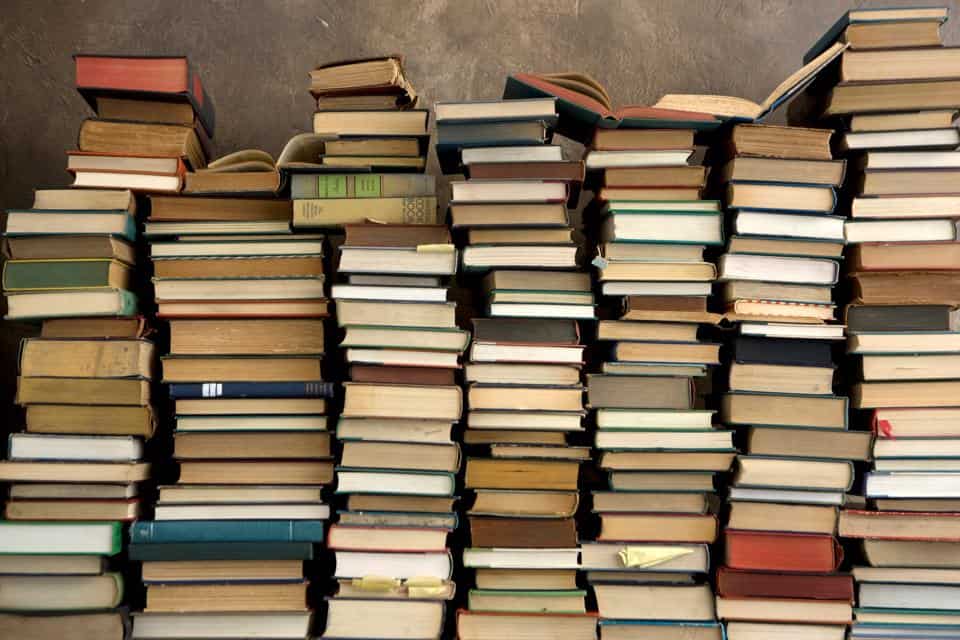
    Books in the process will be spoiled, so you need to stock up on the necessary materials in advance at sales, or find unnecessary volumes at home and friends.

    The number of volumes depends on the size of the headboard and the size of the books themselves, for decoration in this product needed 27 pieces.

    As a base, we used sheets of plywood, with a thickness of at least 0.5 inches. We also need dowels for fastening to the wall, nails or self-tapping screws, and office glue.

    First, you must determine the size of the headboard. According to these dimensions prepare the plywood. For a large double bed, one sheet is not enough, you have to assemble the base of two halves of plywood.

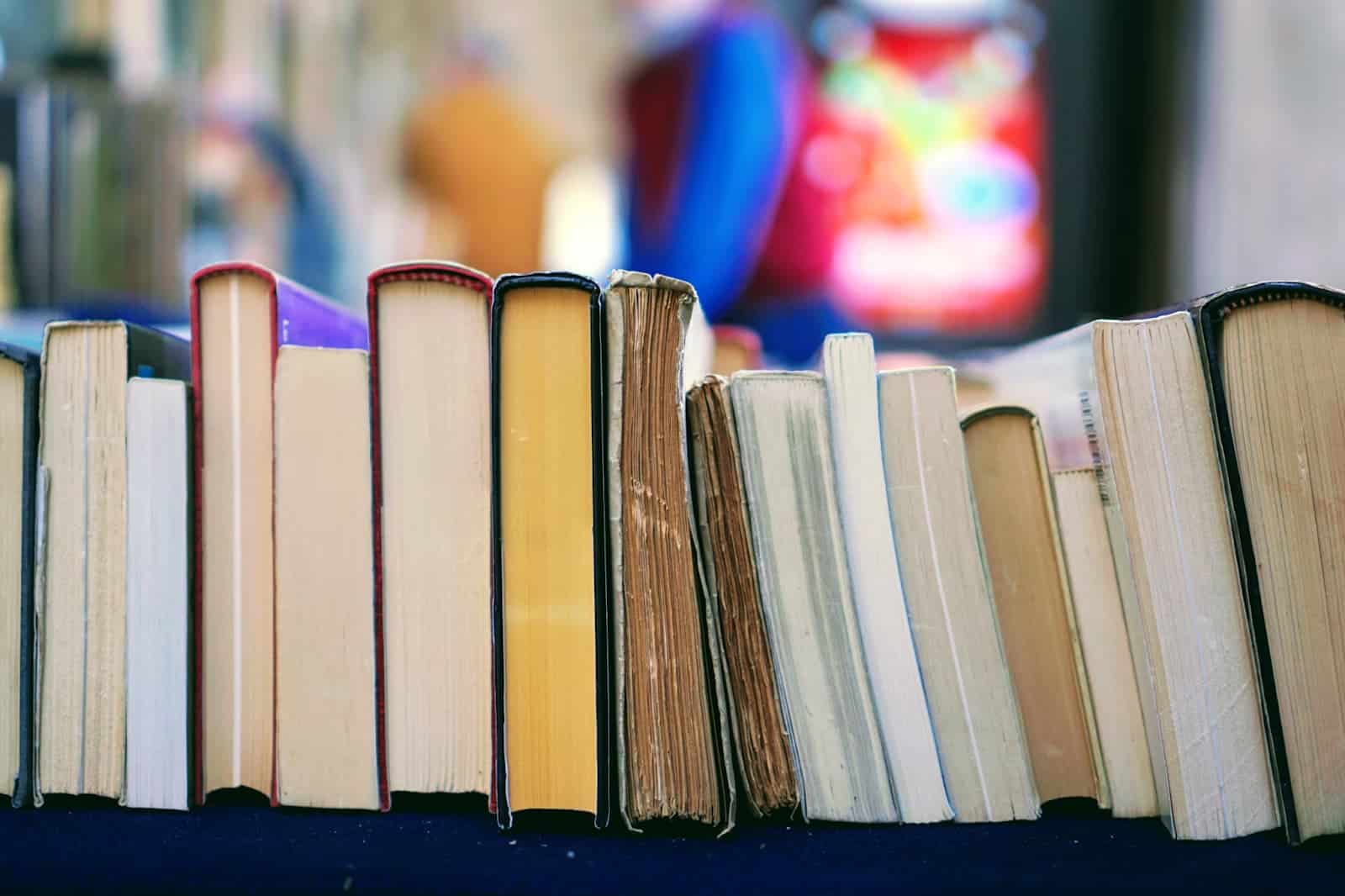
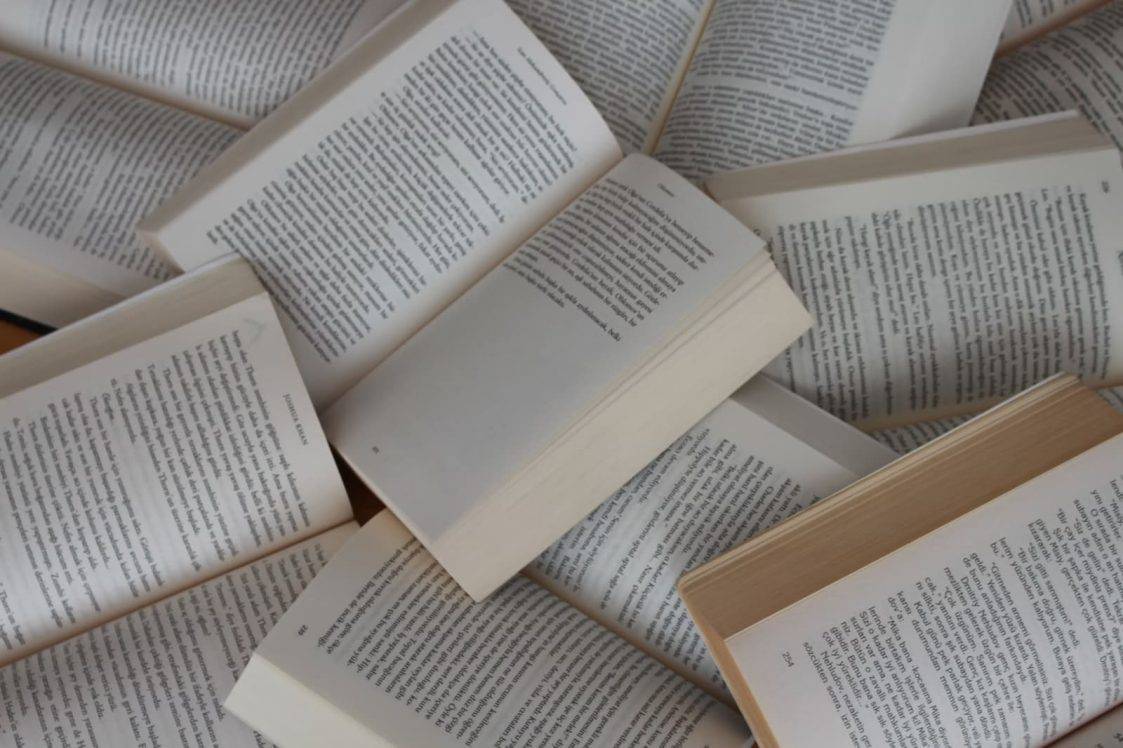
    Then we lay the plywood on the floor and spread the open books all over the surface.

    To achieve the feeling of books hanging in the air, the edges of the covers should extend at least 0.5-0.8 inches beyond the plywood.

    Begin stacking the decor from the unfolded books, matching the volumes in width and height. If the width of the books may vary, the height should be chosen so that the horizontal levels of the headboard are more or less in line.

    The main thing here is that the books fixed on the base are slightly above the level of the mattress, so it’s better to mark in advance the line from which the decoration begins.

    Each book is unfolded in the middle of the thickness, leaving a few paired pages in the center. Fasten the parts to the plywood with small nails, or flat-head self-tapping screws. Self-tapping screw caps will be difficult to sink in so that they are not visible. When using two sheets of plywood as a base, books along the joint line should overlap on both pieces. They should be chosen with stiff bindings and fastened more carefully. 

    Fill the entire headboard with unfolded books, leaving 4-6 empty spaces.

    The 2-4 pages left in the middle of each book are divided into two parts and glued to the rest with stationery glue, covering the heads of the nails or self-tapping screws.

     As for the glue, you should be careful. It is necessary to choose a glue that will not leave traces after drying. So a tip, before you glue all the books, try to do it first on one, wait until the glue dries completely, and see the resulting quality of the finish.

    Install the plywood base in place so that the bottom edge reaches the level of the mattress. Fix the plywood to the wall with self-tapping screws, or with dowel nails in places not covered with decor. Then fix the remaining elements on the headboard, already installed in place, and cover the hats of dowels and nails with them.

    To enhance the decorative effect, you can apply a colorless fixing varnish to the headboard. There are now some in spray cans with a sprayer. Varnish, among other things, will reduce “dusting” paper. Only it is necessary to choose a composition suitable for use in the bedroom and does not leave marks on the bedding.

    I hope you enjoyed this article. Also, you should understand that while the decor is important, your health should be your number one priority. For this reason, you should always pick only orthopedic mattresses for your daybeds, sofas, and regular beds.  Not only will this give you a better night’s rest, but it will also help prevent serious injuries and long-term joint damage. A good mattress will surely last ten years or more if well cared for. If you have any questions, comments, or suggestions please leave them below.


  • “Normal People”. Sally Rooney

    “Normal People”. Sally Rooney

    “Normal People” is a 2018 novel by an Irish author Sally Rooney. The book became a bestseller quickly after it was published, and there are lots of reasons why. It is a fascinating read that will not leave you unimpressed. What is more, there is a very high chance that you won’t be able to put it down which will result in reading this book in just a few days. On the surface, it may seem like it’s another teenage/college drama or a coming of age novel. It is written in a very easy to read manner which makes the book even more enjoyable and appealing. However, so much more can be found deep down if you start digging and analyzing the situations and character’s reactions in the book. Well, let’s start from the beginning and move forward step-by-step while talking about the main characters of the book who show what it’s like to be young and in love, as well as prove that we all are, in fact, normal people.

    What is the book about?

    The story revolves around two main characters – Connell and Marianne who are teenagers at a school in Ireland. They come from different families. However, soon enough they become friends and start to hook up in secret. Later, both of them decide to go to Trinity College Dublin. Even though they are no longer a couple at that point, they run into each other very often. What is more, they find a way to stay in each other’s lives no matter what they do or how far they are from one another. The main focus of the book is on the intense bond between Connell and Mariane which no one and nothing can break.

    Reception

    The book was very well received both by readers and by literary critics. The novel was longlisted for the Booker prize in 2018. Apart from that, The Guardian put it on the 25th place on their list of 100 best books of the 21st century.

    One of the most notable things the majority of critics mention when they are talking about this book is how easy it is to read, as well as how clean Rooney’s prose is. When you are reading “Normal People ‘” it almost feels like you are reading your own thoughts which is a high praise for a book and for its author. Literary critics don’t forget to highlight the fact that even though the whole story may feel like a beautiful trainwreck, you will hardly be able to put it away. The latter is a testament to Sally Rooney’s brilliant writing.

    In 2019 the book was adapted for television, and a TV series aired on Hulu and BBC Three on April 26, 2020. In Ireland, the show aired on RTE One.

    A future classic

    Almost everyone who has read this book describes it as a future classic, and it is not surprising why. The story is captivating. Yet, what is even more important is that everyone can recognize themselves in this book. In other words, the whole book is very relatable for so many people that it is hard to underestimate its importance for current and future generations. “Normal People ” has the potential of becoming a go-to book for all those teenagers who are experiencing the same things Connell and Marianne have experienced. Reading this book may help you understand that the feelings they have are normal, and the way in which they react to such feelings and situations is normal as well. The more books deal with similar issues, the less trooubed and misundersudood teengaers are going to feel. As it turns out, this book actually symbolizes so much more than one can expect having only read the excerpt. “Normal People” was one of the most discussed books of 2018, and it is quite obvious why. In case you have not read it yet, it is time to get down to it right away. There is no doubt you will enjoy it. Perhaps, you will even start reminiscing about the times when you were a teengaer and experienced exactly the same problems. If the world has not heard about Sally Rooney before, the publication of this book has definitely changed that.

  • How to write an impressive book review

    How to write an impressive book review

    Writing a book review is a relatively common assignment. However, the majority of students still fail to submit an impressive piece of writing for a variety of reasons. Some did not allocate enough time to read the book in question. Others have no idea how to write book reviews properly. There is no doubt that students sometimes forget that the deadline is soon, which is the reason why the quality of paper they submit is very far from what’s expected of them. Yet, there is another category of students who simply decide to type can you help me do my homework into google search instead of allocating time on the accomplishment of the assignment they have been given. No matter the reason, the result remains the same – they get a low grade because of their inability to submit an impressive book review, as well as to meet all specified requirements. If that is the case with you, it is time to learn more about book review writing and to finally figure out how to complete this task perfectly. It may be quite overwhelming at first, especially if writing book reviews is not your strong suit. Yet, all you need to do is to practice. The more reviews you write, the better you become at it. Don’t forget how much time it takes to master the skill of anything, no matter whether it is writing book reviews or building furniture. So, start with the basics and proceed to tackling more complex issues, such as crafting an unconventional book review without anyone’s help. Here are a few tips with the help of which you will finally get a better understanding of how book reviews are supposed to be written.

    Talk a bit about the plot

    Obviously, you are expected not to reveal anything. However, writing a few sentences about the plot of the book gives those readers who are unfamiliar with the literary work in question a better understanding of what this book is about. A couple of sentences will be enough. If you talk about the plot of the book for more than one paragraph, no one will find your review interesting enough to keep reading.

    Focus on the aspects you liked or disliked

    This is your review of the book, so feel free to be as subjective as you like. Talk about what you liked about the book, as well as mention how it influenced or resonated with you. Here are a few useful questions you can answer in your book review:

    1. Who is your favorite character and why?
    2. What emotions does this book evoke in you?
    3. Was the story fascinating to keep up with?
    4. Do you have a favorite scene or part of the book?
    5. Is the story believable?

    If there is something you disliked about the book, don’t hesitate to mention it as well. Don’t forget to include a few sentences explaining why you have disliked these aspects of the book. The most important thing you should keep in mind is that your review needs to be honest. If you find the book horrible and feel like you have wasted your time reading it, it is your job to talk about it in the book review. Besides, you don’t have to like everything, especially when the book you were supposed to review was chosen by your teacher and not by you personally. It happens. The goal of this assignment is not to make you like a certain book. The goal is to teach you how to express your thoughts about the book in a clear and concise way in writing.

    How to round up your review

    The last paragraph is always the conclusion. Sum up everything you said before and draw your final conclusion. State whether you have liked the book or not, as well as dwell upon the reasons why you would either recommend or not recommend reading it. If this book is not for everyone, suggest they type of readers who might enjoy it. If you can compare this book to any other literary work you have read, this paragraph is the perfect opportunity to specify that comparison and to write a few sentences about it.

  • Book Club: Building Community Through Shared Stories

    Book Club: Building Community Through Shared Stories

    There’s something magical about discussing a good book with people who’ve experienced the same emotional journey through its pages. Book clubs have flourished for centuries as intimate gatherings where readers transform solitary reading into collective exploration, and today’s digital landscape has expanded these communities beyond geographic boundaries. Whether meeting in cozy living rooms or connecting through virtual entertainment platforms like hipaywebsite.nl, readers worldwide continue discovering that shared literary experiences create bonds that transcend the pages themselves.

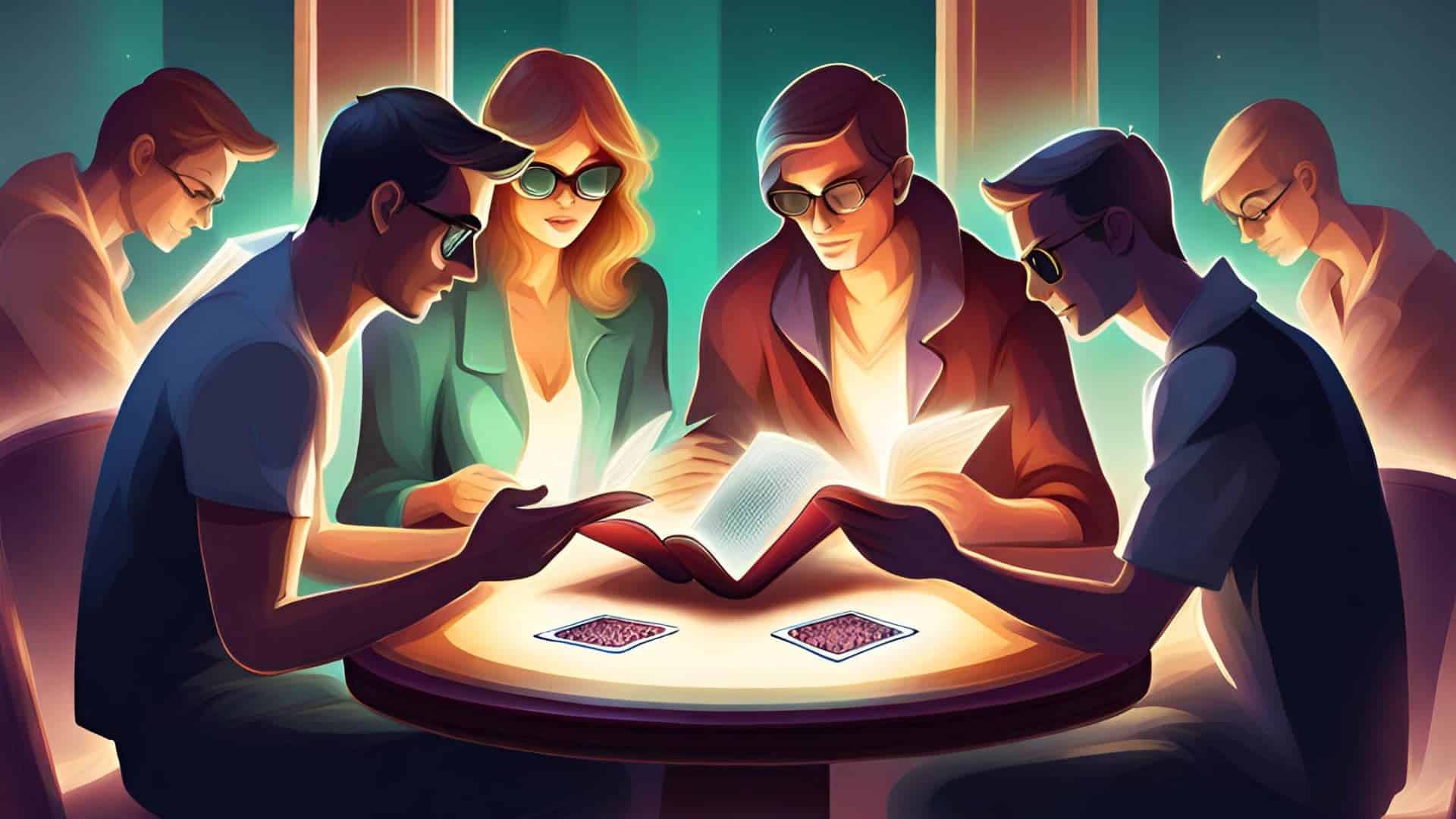
    The beauty of a book club lies in its simplicity: a group of people, one book, and countless perspectives waiting to collide. Each member brings their unique background, experiences, and interpretations to the discussion table, transforming what might seem like a straightforward narrative into a multifaceted exploration of themes, characters, and human nature. This collective wisdom elevates the reading experience, revealing layers and nuances that solitary readers might overlook.

    Creating Your Book Club Foundation

    Starting a book club requires more thought than simply gathering friends and picking a title. The most successful clubs establish clear foundations from the beginning. Consider the ideal size for your group—typically between six and twelve members strikes the perfect balance between diverse perspectives and manageable conversation. Too few members and discussions can feel limited; too many and some voices inevitably get lost in the crowd.

    Deciding on meeting frequency matters tremendously for sustainability. Monthly gatherings give members adequate time to complete books while maintaining momentum and anticipation. Some clubs prefer meeting every six weeks, allowing for longer novels or busier schedules. The key is consistency—regular meetings become anticipated events rather than obligations that conflict with other commitments.

    The selection process deserves careful consideration as well. Some clubs rotate the choosing responsibility among members, ensuring everyone feels invested in the reading list. Others vote democratically on several options or follow themed months that explore particular genres, time periods, or cultural perspectives. Establishing these guidelines early prevents future conflicts and keeps the club running smoothly for years to come.

    Choosing Books That Spark Conversation

    Not all books make excellent book club selections, regardless of their literary merit. The best choices offer rich material for discussion—complex characters with debatable motivations, ambiguous endings that invite interpretation, or themes that resonate differently with various readers. Books that everyone simply agrees are “nice” often lead to disappointingly short conversations.

    Consider mixing genres to keep things fresh and challenge members beyond their comfort zones. Alternate between contemporary fiction and classics, throw in memoirs or narrative nonfiction, and occasionally venture into poetry or graphic novels. This variety prevents reader fatigue and introduces members to books they’d never select independently.

    Length matters too, particularly when balancing book club commitments with busy lives. While tackling War and Peace might seem impressive, shorter novels often generate equally profound discussions without overwhelming schedules. Save the doorstoppers for summer months when members might have more leisure time, and opt for more manageable lengths during hectic seasons.

    Facilitating Meaningful Discussions

    The difference between a mediocre book club meeting and a memorable one often comes down to facilitation. Designating a discussion leader for each meeting—whether rotating monthly or volunteering—ensures conversations stay focused and inclusive. This person prepares thought-provoking questions, guides transitions between topics, and gently redirects when tangents become too lengthy.

    Effective questions dig deeper than plot summaries. Instead of asking what happened, explore why characters made certain choices, how the setting influenced events, or what themes resonated most powerfully. Questions that begin with “why” and “how” typically generate richer responses than those starting with “what” or “who.”

    Creating space for quieter members remains crucial for balanced discussions. Some people need time to formulate thoughts before speaking, while others naturally dominate conversations. Good facilitators actively invite reticent members to share perspectives while tactfully managing more verbose participants, ensuring every voice contributes to the collective understanding.

    Enhancing the Experience Beyond Books

    Successful book clubs often incorporate elements that transform meetings from purely intellectual exercises into social experiences. Hosting duties might rotate, with each member adding personal touches—themed snacks related to the book’s setting, appropriate music playing softly in the background, or decorative elements that reflect the story’s atmosphere.

    Some clubs enhance discussions with author interviews found on online entertainment platforms, documentary films about historical contexts, or visits to locations mentioned in the books. These supplementary materials deepen understanding and demonstrate how stories connect to broader cultural conversations.

    Virtual book clubs have introduced new possibilities for connection. Members separated by distance can gather through video calls, sharing screens to highlight favorite passages or organizing watch parties for film adaptations. These technological tools haven’t replaced the warmth of in-person gatherings but have certainly expanded access for those with mobility challenges, remote locations, or scheduling conflicts that make physical attendance difficult.

    Book clubs remain enduring institutions because they satisfy fundamental human needs—connection, intellectual stimulation, and the joy of shared discovery. They remind us that while reading might be solitary, interpreting and discussing what we’ve read becomes infinitely richer when we invite others into the conversation.

    Sustaining Long-Term Engagement and Growth

    Maintaining enthusiasm over months and years requires intentional effort and periodic refreshment. Even the most dedicated book clubs experience natural ebbs in energy, particularly during busy seasons or after particularly challenging reads. Recognizing these patterns allows clubs to adapt rather than dissolve when momentum wanes temporarily. Consider organizing special events that break from the regular format—author visits through video calls, field trips to literary landmarks, or themed parties celebrating milestone anniversaries. These occasions reinvigorate member commitment and create memorable experiences beyond standard meetings.

    Book clubs remain enduring institutions because they satisfy fundamental human needs—connection, intellectual stimulation, and the joy of shared discovery. They remind us that while reading might be solitary, interpreting and discussing what we’ve read becomes infinitely richer when we invite others into the conversation.

  • Media Literacy for Students: Understanding the Power of Narratives

    Media Literacy for Students: Understanding the Power of Narratives

    When I was a high school student, I vividly remember watching a documentary that claimed to expose a shocking truth about a global issue. The production was gripping, the interviews seemed authentic, and the message felt urgent. I eagerly shared it with friends, certain I had stumbled upon vital information. But when my teacher challenged me to dig deeper, I discovered that the documentary was riddled with bias, selective facts, and emotional manipulation. That experience taught me an invaluable lesson: narratives in media are powerful, but they are not always truthful.

    As students, we are bombarded daily with information from social media, news outlets, movies, and even academic resources. Media literacy—the ability to critically analyze and interpret the media we consume—is no longer just an optional skill; it is essential for navigating the modern world. Understanding how narratives shape our perspectives can help us make informed decisions, avoid misinformation, and even improve our own communication skills.

    Whether you’re analyzing a news article or crafting your essay, the ability to discern reliable sources is crucial. For example, if you’re seeking assistance with academic writing, it’s important to rely on a trusted guide, like this review of the best essay writing service. This same principle applies across all media: evaluating the credibility of the information we engage with ensures we’re making choices based on accurate and balanced narratives.

    What Is Media Literacy?

    Media literacy is the ability to access, analyze, evaluate, and create media in various forms. It’s not just about identifying fake news or spotting misleading advertisements—though those are important skills. It’s about understanding the purpose behind a piece of media, recognizing its intended audience, and evaluating the techniques used to convey its message.

    For me, media literacy became a personal mission after that high school experience. I started questioning everything I consumed. Was the news article backed by credible sources? Was the viral video edited to evoke a specific emotion? Were the advertisements playing on my fears or aspirations? The more I questioned, the clearer it became: every piece of media is a narrative, and every narrative has a purpose.

    For students, developing media literacy can transform how we engage with the world. It equips us to approach information with a healthy dose of skepticism, ensuring we’re not swayed by every trending topic or viral post.

    The Power of Narratives in Media

    Have you ever noticed how some stories stick with you long after you’ve seen or read them? That’s the power of narratives. They are the backbone of every movie, article, and advertisement we consume. Narratives shape our emotions, influence our beliefs, and even guide our actions.

    Take, for example, a news report on climate change. A story featuring a family displaced by rising sea levels will likely evoke more empathy than a report filled with data and statistics. This is not accidental—stories are designed to resonate emotionally. While this can be a powerful way to drive awareness, it can also lead to selective storytelling, where only parts of the truth are presented to fit a specific agenda.

    For students like us, it’s important to recognize when narratives are being used to manipulate rather than inform. Whether it’s a political campaign ad or a social media post advocating for a cause, we need to ask: Is this story presenting the full picture? What is it trying to make me feel or do? By questioning the intent behind the narrative, we can better understand its impact on our perceptions.

    Why Media Literacy Matters for Students

    Media literacy is not just a skill for journalists or communication professionals—it’s a life skill. For students, the ability to analyze media critically has far-reaching benefits. It improves academic performance, enhances decision-making skills, and fosters a more informed and engaged mindset.

    I’ve found that media literacy also makes studying more enriching. For instance, when researching for a school project, I now take the time to cross-check sources, identify bias, and question the validity of information. This has not only improved the quality of my work but also deepened my understanding of the topics I study.

    Beyond academics, media literacy prepares us for the professional world. Employers value individuals who can think critically, communicate effectively, and navigate the complexities of digital information. By honing these skills now, we’re setting ourselves up for success in the future.

    How to Develop Media Literacy Skills

    Becoming media literate doesn’t happen overnight—it’s a process that requires practice and commitment. Here are some strategies that have worked for me:

    1. Question Everything
      When you encounter a piece of media, ask yourself: Who created this? What is their goal? Who is the intended audience? These questions can help you uncover hidden agendas and biases.
    2. Verify Sources
      Always check the credibility of the source. Look for well-established publications, peer-reviewed studies, and expert opinions. Be wary of anonymous sources or outlets with a history of spreading misinformation.
    3. Recognize Bias
      Every piece of media reflects the perspective of its creator. Learn to identify bias in language, imagery, and framing. Ask yourself whether the content is presenting a balanced view or pushing a specific narrative.
    4. Engage with Diverse Perspectives
      One of the best ways to broaden your understanding is by consuming media from a variety of viewpoints. This doesn’t mean you have to agree with everything you read or watch, but exposing yourself to different perspectives can help you develop a more nuanced view of the world.
    5. Practice Creating Media
      Understanding media from the creator’s perspective can deepen your media literacy. Whether it’s writing an essay, creating a short film, or designing a social media post, the act of crafting a narrative helps you appreciate the techniques and decisions that go into media production.

    Conclusion

    Media literacy is more than just a buzzword—it’s a vital skill that empowers us to navigate a world filled with information, misinformation, and persuasive narratives. By questioning the media we consume, verifying sources, and recognizing bias, we can become more informed, thoughtful, and responsible individuals.

    For students, media literacy offers a pathway to academic excellence, professional success, and personal growth. It equips us to engage with the world critically and creatively, ensuring we’re not just passive consumers but active participants in shaping the narratives around us.

    As I reflect on my own journey, I’m grateful for the moments that pushed me to think critically and question the media I encounter. It’s a journey I believe every student should embark on—because understanding the power of narratives is the first step toward making our voices heard in a world full of stories.

    Let’s continue to question, learn, and create thoughtfully. The power of media lies not just in its ability to tell stories, but in our ability to interpret them.

  • AI Recruitment Tools in the Media Industry: Finding Talent in a Fast-Paced World

    AI Recruitment Tools in the Media Industry: Finding Talent in a Fast-Paced World

    The media industry is one of the most dynamic and fast-paced sectors in the global economy. With the constant demand for fresh content, creative talent, and technological innovation, media companies must stay ahead of the curve when it comes to hiring. Finding the right professionals with the skills and vision to thrive in this how to describe my mother https://www.customwritings.com/howtowrite/post/descriptive-essay-mother/ environment is a growing challenge, especially in an era of digital transformation. This is where AI for media recruitment comes into play, offering cutting-edge tools that streamline the hiring process and ensure companies can attract the best talent available.

    The Evolving Landscape of Media Recruitment

    Traditionally, hiring in the media industry relied heavily on networking, portfolios, and subjective assessments of creative abilities. However, the digital revolution has changed the way companies in media approach recruitment. As tech-driven content creation, social media, and multimedia platforms take center stage, media companies need to fill highly specialized roles that require a unique mix of creativity, technical expertise, and adaptability.

    Tech media hiring has become more complex, with positions in areas such as video production, content marketing, data analysis, and social media management demanding a mix of soft and technical skills. As a result, recruitment processes have become longer and more complicated, with companies struggling to identify the right candidates from a vast pool of talent. AI recruitment tools are addressing this issue by automating key parts of the hiring process, allowing recruiters to focus on strategic decisions and get the right talent onboard faster.

    How AI is Transforming Media Recruitment

    AI-powered recruitment platforms are revolutionizing the way companies identify, assess, and hire talent in the media sector. These AI hiring software solutions use advanced algorithms and machine learning to analyze candidate data, match qualifications with job requirements, and predict a candidate’s potential success in a specific role.

    Key ways AI is transforming tech media hiring include:

    1. Automated Screening: AI software can rapidly analyze thousands of applications and filter out candidates who do not meet the basic requirements. This allows recruiters to focus only on the top candidates, saving valuable time and resources.
    2. Skills Matching: By evaluating resumes, portfolios, and social media profiles, AI can assess a candidate’s hard and soft skills. This helps recruiters find candidates whose expertise aligns with the specific needs of the role, whether it’s video editing, content creation, or analytics.
    3. Predictive Hiring: AI tools can analyze a candidate’s past work experience, education, and online presence to predict their potential success in a media role. This reduces the risk of bad hires and helps companies build stronger, more effective teams.
    4. Bias Reduction: AI hiring software minimizes unconscious bias by focusing solely on the skills and experience of candidates. This ensures a fairer recruitment process and promotes diversity in the media workplace, which is especially important in creative industries where different perspectives are valuable.

    Benefits of AI Recruitment in the Media Industry

    The integration of AI into the hiring process offers numerous benefits to media companies:

    1. Efficiency: AI recruitment tools significantly speed up the hiring process, allowing companies to fill open positions faster and stay ahead in a competitive industry.
    2. Data-Driven Decisions: AI tools provide insights based on vast amounts of data, allowing recruiters to make more informed decisions when evaluating candidates. This improves the overall quality of hires and ensures the best talent is chosen for each role.
    3. Improved Candidate Experience: AI-driven platforms can automate candidate communication and provide real-time updates, enhancing the experience for applicants and keeping them engaged throughout the hiring process.
    4. Cost Savings: By automating tasks such as screening and initial assessments, AI reduces the costs associated with manual recruitment efforts, enabling media companies to allocate their budgets more effectively.

    Future of AI in Media Recruitment

    The future of media recruitment lies in the continued integration of AI and other digital tools. As the industry becomes more tech-driven, media companies must adopt cutting-edge solutions to remain competitive. AI recruitment platforms are not only helping to streamline hiring but also ensuring that companies can access a more diverse and qualified talent pool.

    For companies looking to stay ahead in this rapidly evolving field, exploring tools like AI for test answers is key. These platforms use AI to enhance recruitment, offering insights that can guide companies toward the best candidates while optimizing the hiring process.

    In conclusion, AI for media recruitment is revolutionizing the way companies find and hire talent. By automating key tasks, reducing bias, and providing data-driven insights, AI hiring software is enabling media organizations to navigate the challenges of a fast-paced, ever-changing industry. As AI technology continues to evolve, the future of recruitment in the media sector looks promising, with more efficient processes and better hiring outcomes on the horizon.

  • 7 Ways To Improve Reading Fluency

    7 Ways To Improve Reading Fluency

    Achieving fluency in reading is crucial for learners of all ages. It serves as the bridge between recognizing words and comprehending their meaning. This guide offers practical methods for enhancing reading fluency, tailored to educators, parents, and self-learners alike. 

    By employing these reading fluency strategies, individuals can foster greater comprehension and enjoy a more fruitful reading experience.

    #1 Model Fluent Reading

    One effective method to enhance reading fluency is through modeling. When learners hear and see fluent reading, it sets a benchmark for their practice. Teachers and parents can read aloud daily, using expressive tones and pacing to demonstrate fluency. That’s also a possible way to teach preschoolers how to read.

    Additionally, online resources like video readings can complement personal instruction. Listening to audiobooks is another excellent way to expose learners to fluent reading, as it combines the benefits of hearing sophisticated language use and proper intonation. Interactive reading sessions, where students can follow along with the text while listening, help bridge the gap between listening and reading skills. 

    Encourage learners to mimic the style and pace of experienced readers, reinforcing their learning process. Moreover, recording sessions where students read aloud and then listen to their recordings can provide self-awareness of their fluency progress and areas needing improvement.

    #2 Use Repeated Reading

    Repeated reading is a strategy in which learners read the same text multiple times until their reading becomes fluent and error-free. This technique allows them to focus on expression and pace rather than decoding words. Implement this by choosing texts at the right difficulty level – challenging enough to keep the reader engaged, but not so difficult as to be frustrating. 

    To maximize the benefits of repeated reading, it’s helpful to use various texts that include both fiction and non-fiction to maintain interest and challenge different reading skills. Setting specific goals for each reading session, such as improving speed or emphasizing expression, can make the practice more focused and effective. 

    Encourage learners to track their progress over time, which can boost their motivation and confidence as they see tangible improvements. 

    Additionally, integrating questions about the text after repetitions can enhance comprehension and ensure that the focus remains on understanding as well as fluency.

    #3 Integrate Phrased Reading

    Phrased reading involves breaking down sentences into meaningful chunks and practicing them as units of thought. This technique helps readers understand the natural flow of language and improves their ability to read larger chunks of text smoothly. 

    1. Worksheets and online exercises can be helpful tools in practicing this strategy. Teachers can create engaging activities encouraging students to identify and practice reading phrases, enhancing their grasp of how language naturally flows together. 
    2. By highlighting phrasal patterns in texts, learners can more easily recognize common expressions and syntactic structures, which aids in faster reading. Group reading sessions, where students can listen to each other’s phrased readings, provide opportunities for peer feedback and collaborative learning. 
    3. Furthermore, incorporating games that involve constructing sentences from shuffled phrases can make the learning process fun and memorable.

    #4 Incorporate Echo Reading

    Echo reading is an interactive strategy where the teacher or parent reads a sentence or phrase, and then the student repeats it. This method allows the learner to focus on proper pronunciation and phrasing. It’s particularly useful for new readers and those struggling with fluency. This approach also builds listening skills, as learners must pay close attention to the nuances of the speaker’s pronunciation and intonation before replicating them. 

    Echo reading can be enhanced by using texts that contain dialogue or dramatic elements, encouraging expressive reading and emotional engagement. By alternating roles during the session, students mimic and get a chance to lead, boosting their confidence and engagement. 

    Additionally, incorporating visual aids, such as pointing to each word as it’s read and repeated, can help visual learners better associate the sounds with the text.

    #5 Leverage Technology

    Various educational technology tools are available to assist in improving reading fluency. From apps that offer interactive reading experiences to online programs that provide feedback on pronunciation, pacing, and phrasing, these tools make engaging and effective fluency practice accessible. 

    Check out the best online reading tutor online for more structured guidance. Using such tutors is essential because they provide personalized attention and tailored strategies that address specific areas of difficulty for each learner. They can adapt their teaching methods to the unique learning style of each student, ensuring a more effective and rewarding learning experience. The benefits of using reading tutors include:

    1. Customized Learning Plans: Tailored to address individual strengths and weaknesses.
    2. Flexible Scheduling: Fits learning into any busy schedule.
    3. Immediate Feedback: Helps correct mistakes in real-time.
    4. Emotional Support: Boosts confidence and reduces frustration with reading challenges.

    Additionally, tutors can offer consistent practice and feedback, which is critical for making steady progress in reading fluency. They also help maintain accountability, keeping students motivated and on track with their reading goals.

    #6 Engage in Partner Reading

    Partner reading involves two individuals taking turns reading aloud and providing feedback to each other. This peer learning experience can be very beneficial, as it encourages readers to try harder and pay more attention to how they read, fostering a supportive learning environment. Partner reading helps build camaraderie and mutual support, which can be particularly motivating for reluctant readers. 

    It also allows learners to hear different reading styles and techniques, broadening their approaches to reading. 

    Additionally, discussing the content immediately after reading enhances comprehension and retention of the material. Students develop critical listening skills and a deeper understanding of language by critiquing each other’s pronunciation and fluency. 

    Moreover, this strategy can be adapted for any age group, making it a versatile tool in educational and casual learning settings.

    #7 Provide Timely Feedback

    Immediate feedback is crucial in helping learners correct mistakes and improve their reading skills. Whether it’s through one-on-one tutoring sessions, classroom environments, or digital platforms, timely and constructive feedback encourages learners to persist and improve. 

    Timely feedback allows learners to make immediate adjustments to their reading habits, which can accelerate their learning process and prevent the reinforcement of errors. It also fosters a positive learning environment where students feel supported and understand that mistakes are part of the learning journey. 

    Additionally, feedback can be personalized to target each student’s specific challenges, making it more relevant and effective. Educators and tutors can help students achieve their reading goals more efficiently by regularly assessing progress and providing actionable insights.

    Conclusion

    Improving reading fluency is a multifaceted endeavor that involves various strategies tailored to individual learning styles and needs. Teachers, parents, and self-learners can learn how to teach fluency by incorporating these methods into daily reading practices. 

    • Embrace these techniques and watch as the world of words opens up with greater ease and enjoyment. 
    • Consider examining additional strategies on our educational services page for more insights and resources. 
    • Remember, the journey to fluent reading is progressive and requires patience and consistent practice. With the right tools and approaches, you will see significant improvement in reading fluency and a deeper appreciation for the art of reading.
  • Books to Help With Mental Health

    Books to Help With Mental Health

    Books stand out as a powerful ally in the quest for better mental health. Offering more than just information, they provide comfort, guidance, and strategies to manage stress, anxiety, and other mental health challenges. Books can be an invaluable resource, especially when looking to understand complex psychological conditions, seeking practical tools to cope with everyday emotional stress, or simply hoping to find solace in shared experiences.

    This article showcases a carefully curated list of books that can significantly enhance your mental wellness journey, tailored to meet various needs and provide deep, meaningful insights into the human psyche. Each selection is aimed at empowering you with knowledge and techniques to improve your mental health.

    Understanding How Books Impact Mental Health

    The act of reading itself is therapeutic. It immerses the mind, provides an escape from daily stressors, and can stimulate empathy and understanding. So, how books help mental health? 

    Books specifically targeting mental health often incorporate exercises, stories, and insights that engage the reader actively, fostering personal growth and awareness. The key is to find books that resonate with your experiences and offer practical advice that can be applied in everyday life. 

    Here are several ways in which reading mental health books can be beneficial:

    • Enhanced self-awareness: Discovering personal triggers and learning how to manage them effectively.
    • Stress reduction: Engaging in a focused activity like reading can lower stress levels.
    • Improved sleep: Establishing a bedtime reading routine can help calm the mind before sleep.
    • Greater empathy: Reading about others’ experiences can increase understanding and compassion.
    • Skill development: Many mental health books teach coping strategies that can be practiced and refined.

    Mental health books are more than just sources of information. They are tools that offer new perspectives, emotional support, and actionable advice. By choosing the right books, readers can embark on a path of personal development and significantly improve their mental well-being. Remember, the journey through books involves investigation and discovery, leading to personal and emotional growth.

    Top Books for Mental Health

    Do you know what are the best mental health books? Understanding them can be a transformative part of your wellness journey. Here, we analyze the best mental health books, each offering unique insights and tools to support mental well-being. 

    These books have been chosen for their authoritative content, practical solutions, and their profound impact on your life, whether you’re looking to deepen your understanding or find strategies to cope better.

    1. “The Noonday Demon: An Atlas of Depression” by Andrew Solomon

    This profound work delves into the complexities of depression through personal accounts and thorough research. Solomon’s narrative connects with readers, providing a deep understanding of the condition’s multifaceted nature.

    1. “Feeling Good: The New Mood Therapy” by David D. Burns

    Famous for its practical approach to cognitive-behavioral therapy, this book offers powerful tools for altering negative thought patterns. Burns’ techniques are widely recognized for their effectiveness in improving mental health.

    1. “The Body Keeps the Score: Brain, Mind, and Body in the Healing of Trauma” by Bessel van der Kolk

    This groundbreaking book explains the impact of trauma on the body and mind and the pathways to recovery. Van der Kolk’s insights are invaluable for those looking to understand and heal from past traumas.

    1. “Anxiety and Phobia Workbook” by Edmund J. Bourne

    Practical and comprehensive, this workbook provides step-by-step guidance for overcoming anxiety, with strategies including relaxation, nutrition, and mindfulness.

    1. “Mind Over Mood: Change How You Feel by Changing the Way You Think” by Dennis Greenberger and Christine Padesky

    A staple in cognitive behavioral therapy literature, this book teaches readers to change their emotional responses by altering negative thought patterns.

    Whether you are battling depression, anxiety, trauma, or simply seeking to enhance your emotional well-being, these books provide valuable tools and insights. Embrace the knowledge they offer, and remember, the path to better mental health is a personal journey that often begins with turning a page.

    How to Choose the Right Book

    Selecting the right book for mental health is crucial. Consider what aspects of your mental health you want to improve or understand. Look for books with positive reviews and those recommended by healthcare professionals. 

    Additionally, many readers find personal memoirs on mental health struggles and recovery to be particularly impactful. Here are some tips to help you choose the best book for your needs:

    • Identify Your Goals: Determine whether you need strategies for managing stress, dealing with anxiety, or overcoming depression. This focus will guide your selection.
    • Seek Recommendations: Look for books therapists, counselors, and other mental health professionals recommend.
    • Check Reviews: Online reviews can provide insight into how other readers have benefited from the book.
    • Consider the Author’s Background: Choose books written by authors with credible expertise in mental health, such as psychologists, psychiatrists, or individuals who have experienced and overcome mental health challenges.
    • Sample a Chapter: Read a chapter to get the style and approach that resonates with you.

    Choosing the right mental health book can be as impactful as finding the right therapist. The correct book can offer new insights, therapeutic exercises, and the comfort of knowing you are not alone in your experiences. Take your time to select a book that feels right for you, and allow it to guide you through your journey of self-discovery and healing. Remember, the right book at the right time can be a lifeline – providing information and much-needed hope and support.

    Conclusion

    Books are a unique resource in the mental health toolkit. They provide insights and strategies that are accessible, affordable, and can be revisited as needed. Whether you are dealing with depression, anxiety, trauma, or simply seeking to improve your overall mental well-being, the right book can offer comfort and guidance. By selecting wisely and reading actively, you can leverage these books to make significant strides in your mental health journey. 

    Remember, while books can be immensely helpful, they are not a substitute for professional medical advice. Always consult a healthcare provider for personal advice and treatment options.

  • Types of people among gamblers and what books they like

    Types of people among gamblers and what books they like

    People from all walks of life enjoy the thrill of gambling, from the high roller to the casual player. However, studies have shown that certain types of people may be more prone to gambling than others. In this blog post, we will explore the psychology of gamblers, looking at the types of people who are most common amongst them and the genres of books they enjoy the most. Through this exploration, we hope to gain a deeper understanding of why people are drawn to gambling, why sites like Golden Pokies Casino are so popular with them and the role that literature plays in their lives.

    Thrill-seekers

    The first type of person who is commonly associated with gambling is the thrill-seeker. These individuals are adrenaline junkies who crave excitement and adventure. They are often impulsive and enjoy taking risks, which is why gambling appeals to them. 

    Thrill-seekers are also drawn to books that are fast-paced and action-packed, such as thrillers, mystery novels, and action-adventure stories. These genres of books provide an escape from reality and allow readers to experience the thrill of danger without putting themselves in harm’s way.

    The social players

    Another type of person who is commonly associated with gambling is the social gambler. These individuals enjoy the social aspect of gambling, and they often play with friends or family members. Social gamblers are often outgoing and extroverted, and they enjoy being around other people. 

    They may also be more likely to read books that focus on interpersonal relationships, such as romance novels and family sagas. The sense of community and connection that social gambling provides is mirrored in the emotional depth and relationships portrayed in these genres of books.

    Addicted players

    The third type of person who is commonly associated with gambling is the compulsive gambler. These individuals are often struggling with addiction, and they may use gambling as a way to cope with emotional pain or stress in their lives. Compulsive gamblers may also be more likely to suffer from mental health issues such as depression or anxiety. 

    Interestingly, this group of individuals may be drawn to books that are more reflective and introspective, such as memoirs, self-help books, and books about the human condition. These genres of books often provide insight into the human experience, allowing readers to gain a deeper understanding of themselves and their struggles.

    Strategic players

    Finally, we have the strategic gambler. These individuals enjoy games of skill, such as poker or blackjack, and they often use mathematical strategies to improve their chances of winning. Strategic gamblers are often highly intelligent and analytical, and they may enjoy reading books about science, mathematics, and economics. These genres of books appeal to their analytical nature, and they may provide insights into the underlying mechanics of gambling.

    Fiction and science books for strategic gambler

    For strategic gamblers who are looking to expand their knowledge and take a break from the tables, there are a variety of fiction and science books that are sure to pique their interest. From classic novels to modern science, these selections provide a diverse range of topics and perspectives to stimulate the mind. 

    Readers can delve into the intricacies of complex mathematical systems or immerse themselves in the plots of thrilling fiction. Not only will these books provide a refreshing break from strategic gambling, they may even offer new insights and perspectives that can be applied to the table. With such a varied selection available, strategic gamblers are sure to find a book that appeals to their interests and stokes their curiosity.

    Summary

    When it comes to gambling, it is important to recognize that the individuals who engage in this activity are a diverse group with different motivations and preferences. Some may seek the thrill of the risk, while others may experience compulsive tendencies that drive their need to gamble. Regardless of their reasons, the genres of books that these gamblers enjoy offer interesting insight into their personalities and needs. 

    Whether they gravitate towards tales of high-stakes poker games or intricate strategies for winning at blackjack, each genre provides a unique experience that resonates with the gambler’s interests. 

    By understanding the psychology of these individuals and their preferred genres of books, we can gain a deeper appreciation for their motivations and the role that gambling plays in their lives.

  • Revolutionary Reads: Unveiling the Pico Laser’s Role in Aesthetic Medicine Through Literature

    Revolutionary Reads: Unveiling the Pico Laser’s Role in Aesthetic Medicine Through Literature

    In the dynamic world of aesthetic medicine, the advent of Pico laser technology stands as a pivotal development. This article embarks on an exhaustive journey into the world of Pico laser treatment, not through the typical channels of clinical trials or patient anecdotes, but via a unique exploration through literature. The books and publications highlighted here offer a distinctive perspective on this groundbreaking technology, translating complex medical advancements into narratives that are both accessible and engaging for a wider audience.

    The Dawn of a New Era in Aesthetic Treatment

    Our exploration begins with a historical context as outlined in “Lasers in Dermatology: A Historical Perspective” by Dr. Jane Smith (a pseudonym). Smith chronicles the evolution from early laser treatments, which were marked by longer recovery periods and inconsistent results, to the cutting-edge Pico laser technology. Her detailed exposition sets the scene for appreciating this advancement within the broader tapestry of aesthetic medicine’s history.

    Understanding Pico Laser Technology

    In “Pico Lasers: The New Frontier in Dermatology” by Dr. Alan Green (a pseudonym), readers are invited to delve into the technical aspects of Pico laser treatment. Green elucidates the science underpinning the technology, focusing on how its ultra-short pulse duration leads to more effective and less invasive treatments. The book is a compendium of knowledge, simplifying intricate concepts into easily digestible information for both medical professionals and the general public.

    Voices from the Field: Expert Insights

    “The Aesthetic Revolution: Pico Lasers and the Transformation of Skin Treatments,” edited by Dr. Emily White (a pseudonym), offers invaluable insights from the forefront of dermatology. This anthology includes chapters by leading dermatologists and aesthetic medicine experts, each bringing their unique viewpoint. They discuss the practical use of Pico lasers in treating a range of skin issues, from pigmentation disorders to tattoo removal, highlighting the versatility and effectiveness of this technology.

    Patient Narratives: A Personal Touch

    “Skin Deep: My Journey with Pico Laser Therapy” by Sarah Johnson (a pseudonym) adds a personal dimension to the discussion. Johnson shares her personal journey with Pico laser treatment, from her initial hesitations through the treatment process to the transformative outcomes. Her story is both informative and relatable, providing real-world insights into what patients can expect from Pico laser treatments.

    Ethical Considerations and the Future Outlook

    In “Ethics in Aesthetic Medicine: A Forward Gaze” by Dr. Richard Lee (a pseudonym), the conversation turns to the ethical implications and future prospects of Pico laser technology. Lee poses important questions about the accessibility and regulation of such advanced treatments and speculates on future innovations. His forward-thinking stance encourages readers to think about the wider implications of rapid technological progress in aesthetic medicine.

    Conclusion: Bridging Medicine and Literature

    The confluence of Pico laser technology and literature presents a unique platform for understanding and appreciating advancements in aesthetic medicine. The literature reviewed not only serves as a repository of knowledge but also as a bridge connecting the scientific community with the general populace. It demystifies complex medical technologies, making them accessible and relatable.

    As aesthetic medicine continues to advance, it’s crucial to have resources that educate and engage a diverse readership. The literature on Pico laser technology strikes this balance, ensuring that the revolutionary impact of this treatment is both understood and appreciated.

    Ultimately, these books do more than just inform; they inspire a deeper comprehension and appreciation of the progress in aesthetic medicine. They exemplify the power of literature in translating scientific jargon into stories that resonate with a broad audience. Through these works, readers gain not just knowledge but also an appreciation for the art and science of aesthetic medicine, highlighting how literature can illuminate the nuances of medical advancements.

    In conclusion, the intersection of Pico laser technology and literature underscores the importance of accessible information in the field of aesthetic medicine. These books play a pivotal role in educating and inspiring both practitioners and the public, offering a window into the sophisticated world of modern dermatological treatments. They are more than just texts; they are the narrative thread that weaves together the past, present, and future of aesthetic medicine, inviting readers to be a part of this ongoing revolution.

  • Reading for Self-Improvement: How Books Can Change Your Life

    Reading for Self-Improvement: How Books Can Change Your Life

    Introduction

    In a world filled with distractions and constant busyness, finding ways to self-improve and evolve as individuals has become a cherished pursuit. One such method, often overlooked, is reading. In this article, we’ll explore how books have the power to change your life, foster self-improvement, and offer valuable insights into the human experience.

    The Magic of Books

    Books are like windows to different worlds, offering us the chance to escape the mundane and explore the extraordinary. They transport us to far-off places, introduce us to diverse characters, and immerse us in intriguing stories. The magic of books lies in their ability to open doors to self-improvement.

    Expanding Horizons Through Reading

    Reading exposes us to a variety of perspectives and cultures, broadening our horizons and increasing our awareness. As we delve into different narratives, we develop a deeper understanding of the world and its complexities.

    Knowledge Acquisition and Self-Improvement

    One of the primary ways books change lives is through knowledge acquisition. Reading provides access to vast information, empowering individuals to acquire new skills, explore new interests, and stay updated on various subjects. Continuous learning is key to self-improvement.

    The Empathy Effect

    As we immerse ourselves in books, we step into the shoes of characters with diverse backgrounds and experiences. This fosters empathy and a better understanding of human emotions, ultimately leading to improved relationships and personal growth.

    Stress Reduction and Mental Well-being

    Reading is a therapeutic escape. It reduces stress by transporting us to different realms, allowing us to temporarily forget our worries. This act of escapism is essential for mental well-being and relaxation.

    Building Better Relationships

    The insights gained from books can also enhance our relationships. By understanding different personalities and communication styles, we become better equipped to navigate social interactions and build stronger connections.

    Improving Concentration and Focus

    In the age of smartphones and constant notifications, reading a book requires sustained attention. This can improve your concentration and ability to focus, a skill that’s invaluable in every aspect of life.

    Enhancing Vocabulary and Language Skills

    Reading regularly helps expand your vocabulary and enhances your language skills. This increased linguistic prowess can have a significant impact on your professional and personal life.

    Cultivating Critical Thinking

    Books often present complex problems and dilemmas. Engaging with these narratives encourages critical thinking and problem-solving skills, which are essential for self-improvement and personal development.

    Inspiration and Creativity

    Inspiration is a natural byproduct of reading. Books can ignite your creativity and motivate you to pursue your dreams, making them a powerful catalyst for personal growth.

    The Self-Help Genre

    The self-help genre deserves special mention. It is dedicated to providing guidance and tools for self-improvement in various aspects of life. Books in this genre can be life-changing resources for those seeking personal development.

    Choosing the Right Books

    Selecting the right books is crucial. It’s essential to match your reading material to your goals for self-improvement. Whether it’s classics, non-fiction, or self-help books, each genre offers unique advantages.

    Reading for Self-Improvement: A Personal Journey

    The experience of reading for self-improvement is deeply personal. Each reader’s journey is unique, and the impact of books on one’s life can vary significantly. But the common thread is that books can indeed change lives.

    Conclusion

    In a world where self-improvement is a lifelong pursuit, books stand as steadfast companions on the journey of personal growth. Reading nurtures our minds, enriches our souls, and empowers us to evolve continually. So, next time you pick up a book, remember that you’re not just turning pages; you’re turning the chapters of your life.

    FAQs

    1. Can reading really change my life?

    Absolutely. Reading exposes you to new ideas, perspectives, and knowledge, all of which can have a profound impact on your life.

    2. How do I find the right books for self-improvement?

    Consider your goals and interests. Look for books that align with what you want to achieve or learn.

    3. Is there a specific book you recommend for self-improvement?

    There isn’t a one-size-fits-all answer. The best book for you depends on your individual goals and preferences.

    4. How can I make time for reading in my busy schedule?

    Set aside dedicated time for reading, even if it’s just a few minutes a day. Over time, this can add up to a significant reading habit.

    5. Can fiction books also contribute to self-improvement?

    Absolutely. Fiction books can teach empathy, critical thinking, and provide valuable life lessons, making them excellent tools for self-improvement.

  • Codes & Riddles in Literature

    Codes & Riddles in Literature

    The Allure of Hidden Meanings

    For centuries, literature has been a means to convey not just stories but also ideas, messages, and sometimes, secrets. Authors, poets, and playwrights have ingeniously woven codes, ciphers, and riddles into their works, inviting readers to engage more deeply and often, to solve a puzzle. This technique doesn’t only make the reading experience more interactive but also adds layers of meaning to the narrative.

    Famous Examples Over Time

    One of the earliest examples of coded literature can be found in the works of the ancient Greeks. Homer’s “Iliad” and “Odyssey,” for instance, are believed by some scholars to contain hidden astronomical data that could be used for navigational purposes. Fast-forward to the Renaissance period, and we find William Shakespeare, whose works are rumored to have concealed codes. These codes, some conspiracy theorists believe, reveal the true identity of the bard or offer clues about his supposed affiliation with secret societies. More recently, the 20th century brought us the likes of J.R.R. Tolkien and his “Lord of the Rings” series. Tolkien, a philologist by profession, created entire languages for his fictional world, each with its script, grammar, and vocabulary. While not a code in the traditional sense, these languages can be seen as a riddle for dedicated fans to decipher and learn.

    Why Authors Use Codes

    The use of codes and riddles in literature is multifaceted. Firstly, it’s a challenge to the reader, an invitation to look beyond the obvious and delve deeper into the narrative. It enhances the reading experience, turning it into an interactive game of sorts. Secondly, during various points in history, coded messages in literature have served practical purposes. In oppressive regimes or periods of strict censorship, authors have used codes to communicate forbidden ideas or controversial opinions without drawing the wrath of authorities. Lastly, it’s a testament to the author’s skill. Crafting a coherent and engaging narrative is challenging enough, but to weave in hidden messages that don’t detract from the story but rather enhance it is a feat of literary prowess.

    Decoding the Mysteries

    While many coded messages in literature have been deciphered over the years, others remain shrouded in mystery. The thrill of cracking a code or solving a riddle has led to the establishment of entire communities of enthusiasts dedicated to this purpose. Dan Brown’s “The Da Vinci Code,” although a work of fiction, rekindled interest in this aspect of literature. The novel, centered around the deciphering of codes to solve a mystery, highlights the allure of hidden messages in literary works. The process of decoding is both an art and a science. It requires an understanding of the historical and cultural context in which the work was written, a deep comprehension of language and linguistics, and often, a dash of intuition.

    The Enduring Enchantment

    In our digital age, where actual coded messages can be sent at the click of a button, one might think that the allure of literary codes and riddles would wane. Yet, it remains as potent as ever. This is testament to the enduring human love for mystery and challenge. As long as authors continue to craft compelling narratives with hidden layers of meaning, readers will always be there, ready to uncover the secrets that lie beneath.

    Modern Authors and Coded Narratives

    The tradition of embedding codes and riddles in literature didn’t stop with historical figures like Shakespeare or Tolkien. Contemporary authors too have embraced this challenging art form, intertwining complex plots with even more intricate hidden messages. Take, for example, Mark Z. Danielewski’s “House of Leaves.” This novel is a labyrinthine structure of footnotes, mirrored texts, and encoded messages. Readers often report needing to decode parts of the story to truly understand the underlying themes. Similarly, “Cloud Atlas” by David Mitchell presents a series of stories within stories, each hinting at a larger, interconnected narrative. The challenge for the reader here isn’t just to understand each tale but to discern the subtle threads connecting them.

    The Digital Age: A New Frontier for Literary Codes

    With the advent of technology, literature has expanded beyond the confines of paper pages. E-books, online forums, and digital interactive narratives provide a whole new platform for authors to experiment with coded messages. Erin Morgenstern’s “The Starless Sea” is a brilliant example of how the digital age can enhance the coded narrative. QR codes hidden within the book lead readers to external sites, adding layers to the story and making the decoding process even more interactive. In video games, narratives inspired by literature often come with their own set of riddles and codes. Games like “The Witcher” series or “Dragon Age” franchise have storylines deeply rooted in literary traditions, and they frequently challenge players to solve riddles to progress.

    Conclusion

    Literary codes and riddles, whether found in ancient epics or contemporary novels, have a universal appeal. They invite readers to be more than just passive consumers of stories. Instead, they beckon them to become active participants, detectives trying to unravel the author’s hidden message. In a world where information is readily available at our fingertips, the thrill of uncovering a secret, of connecting seemingly unrelated dots, becomes even more precious. Literature, with its vast array of codes and riddles, continues to offer this unique pleasure, ensuring its relevance and allure for generations to come.

  • Gambling Novels vs. Casino Safety

    The Romanticization of Gambling

    Many novels delve deep into the world of gambling, painting vibrant pictures of opulent casino floors, high-stake poker games, and characters with fortunes changing overnight. Such literature, like Ian Fleming’s “Casino Royale” or Fyodor Dostoevsky’s “The Gambler”, often focus on the glamour, adrenaline, and sometimes the darker aspects of the gambling world. Through these narratives, readers get a taste of the allure that casinos and betting offer. However, it’s essential to remember that these are fictional depictions. While the characters might get away with bending the rules or taking tremendous risks, the reality of gambling, especially online, demands caution, responsibility, and a deep concern for safety.

    Real-World Casino Safety

    In reality, safety should be a paramount concern for every gambler. Especially in the realm of online casinos, where anonymity can sometimes cloak malicious intentions. Protecting personal and financial information becomes crucial. A significant number of reliable online casinos, aware of potential threats, have stepped up their game in ensuring their customers’ safety. In the realm of online gambling, for instance, players can find extensive information on securing their online casino experience at this link. This guide offers valuable insights into the measures taken by reputable online casinos to guard against cyber threats and ensure the utmost safety for their customers.

    Drawing the Line: Fiction vs. Reality

    The distinction between the fictional world of gambling novels and the real-world operations of casinos is profound. While novels might showcase protagonists breaking the bank without consequences, real-world gamblers should prioritize safety above all. Online casinos, especially, are rife with potential pitfalls. Scams, hacking attempts, and data theft are very real concerns. But, by choosing reputable casinos that prioritize customers’ online safety, gamblers can ensure they enjoy their experience without unwarranted risks.

    Influence of Literature on Gambling Perceptions

    Literature has always played a pivotal role in shaping perceptions about various aspects of life, and gambling is no exception. Novels set in the backdrop of casinos or with characters deeply immersed in betting can influence how readers view the gambling world. While many stories highlight the thrill and glamor, others delve into the obsessive nature of the game and its potential pitfalls. Books like “Bringing Down the House” by Ben Mezrich have even romanticized the idea of beating the casino at its own game. However, such narratives, while gripping, can sometimes give readers a skewed sense of reality. It’s essential to differentiate between fictional accounts and the real risks and rewards associated with gambling.

    The Evolution of Casino Safety Measures

    Over the years, as technology has advanced, so have the methods employed by casinos to ensure their patrons’ safety. In the past, physical casinos primarily focused on security personnel and surveillance cameras to prevent cheating and theft. But with the rise of online casinos, the focus has shifted to cybersecurity. To protect users from potential cyber threats, many online platforms employ encryption methods, secure payment gateways, and two-factor authentication. Furthermore, they also adhere to strict regulations set by governing bodies, ensuring fair play and the protection of user data.

    Psychological Impacts: Fictional Wins vs. Real Losses

    The highs and lows experienced by characters in gambling novels can have a profound impact on readers. The adrenaline rush of a massive win or the despair of a significant loss can deeply resonate, potentially influencing readers’ attitudes towards gambling. In reality, while wins can be exhilarating, losses can be equally devastating. Online casinos, with their easy accessibility, can sometimes exacerbate the issue. It’s essential for players to approach gambling with a level head, understanding the odds, and being prepared for any outcome. Setting limits, both in terms of time and money, can be an effective way to ensure a healthy and enjoyable gambling experience.

    Conclusion

    Novels on gambling offer readers a thrilling escape, a world where fortunes are made or lost on a card game or the roll of a dice. However, when stepping into the real world of casinos, especially online platforms, understanding the importance of safety is crucial. By being informed and cautious, every player can enjoy the thrill of the game while ensuring their personal and financial security.